
Open Mindedness

Site em Português

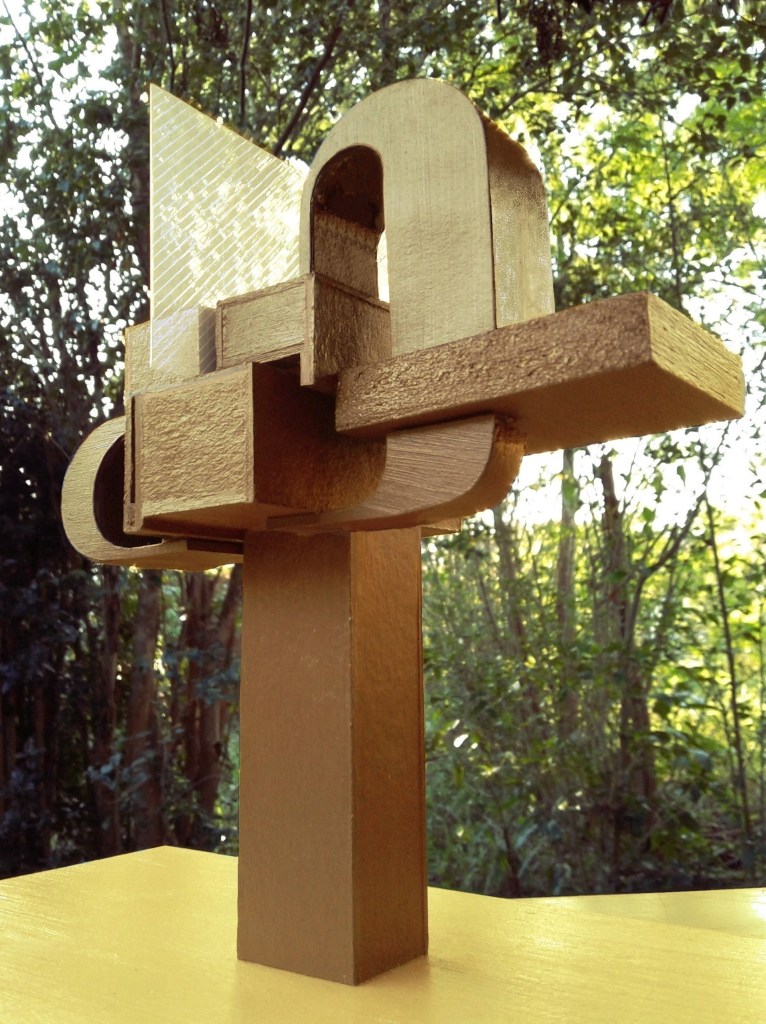
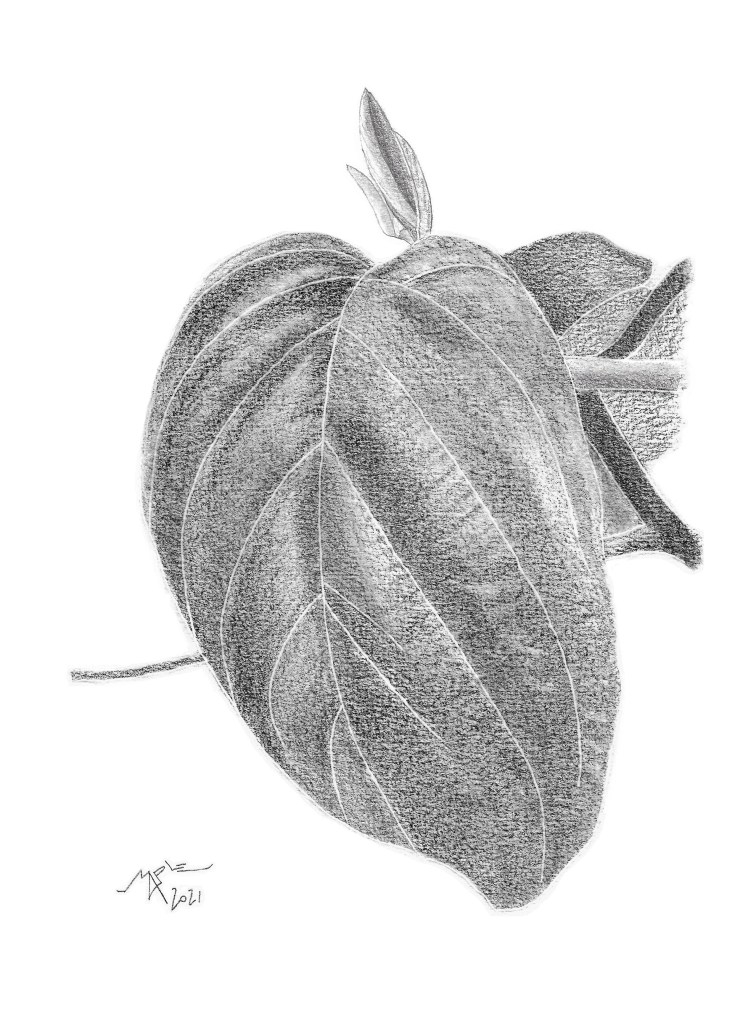
Open Mindedness” presents Urucum

Urucueiro or Urucuzeiro, is the proposed tree for the seventh station of the park. In Brazil, sometimes the word Urucum is used to refer to the tree, when it is actually the fruit’s name. Its scientific name is Bixa orellana and it belongs to the Bixaceae family.

Urucum or urucu comes from the tupi word uru’ku, which means red (the color of its seeds and fruits). In other languages it is called:
Orleansstrauch (german)
Achiote, onoto or bijol (spanish)
Rocou (french)
Achiote or annatto (english)

The Urucum branches expand in all directions. They resemble arrows, as a testimony of the outstanding tree’s attributes. Let us start with an analogy, to understand what this means.

For centuries, humanity benefited from this animal: the ox. While serving humans, it is perhaps a title-holder. When alive, an ox can be used to carry loads (bullock cart) or to produce the so precious milk (yes, the cow milk and the dairy products). A slaughtered ox, provides us food, like barbecue, leather for clothes and shoes, and even buttons (made out of its horns).

In the vegetable kingdom, Urucum is also a champion tree. Its beautiful flowers have petals in whitish pink tones. The shape of its fruits and its surroundings holds an unique beauty. Its leaves and seeds are used as an expectorant. The oil it produces has high antioxidant activity, ideal for nutritional supplements. Also in cooking, it is used to give red color to foods. As a cosmetic, its oil is used as an insect repellant and as a sun protector. On the skin it acts also like a dye, giving it a redish tone when used continuously.

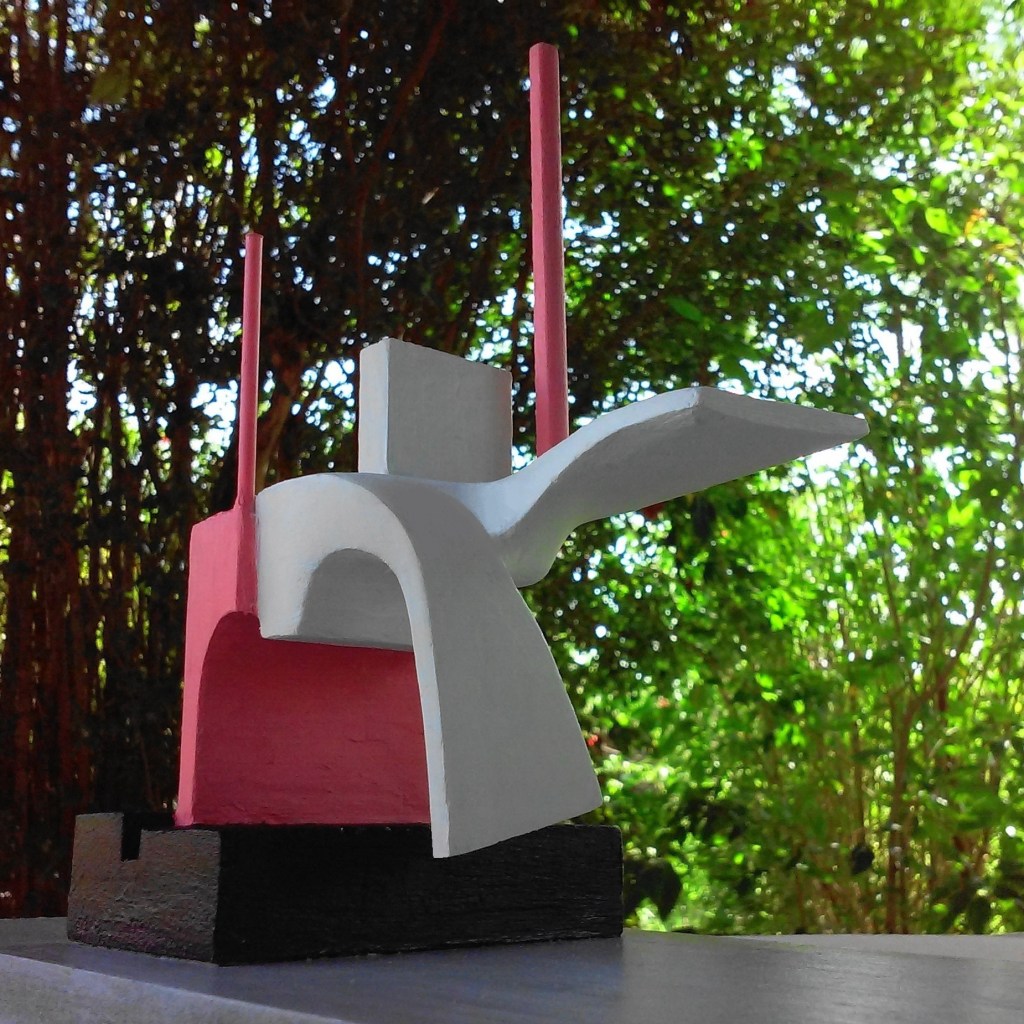
Gratitude

Site em Português

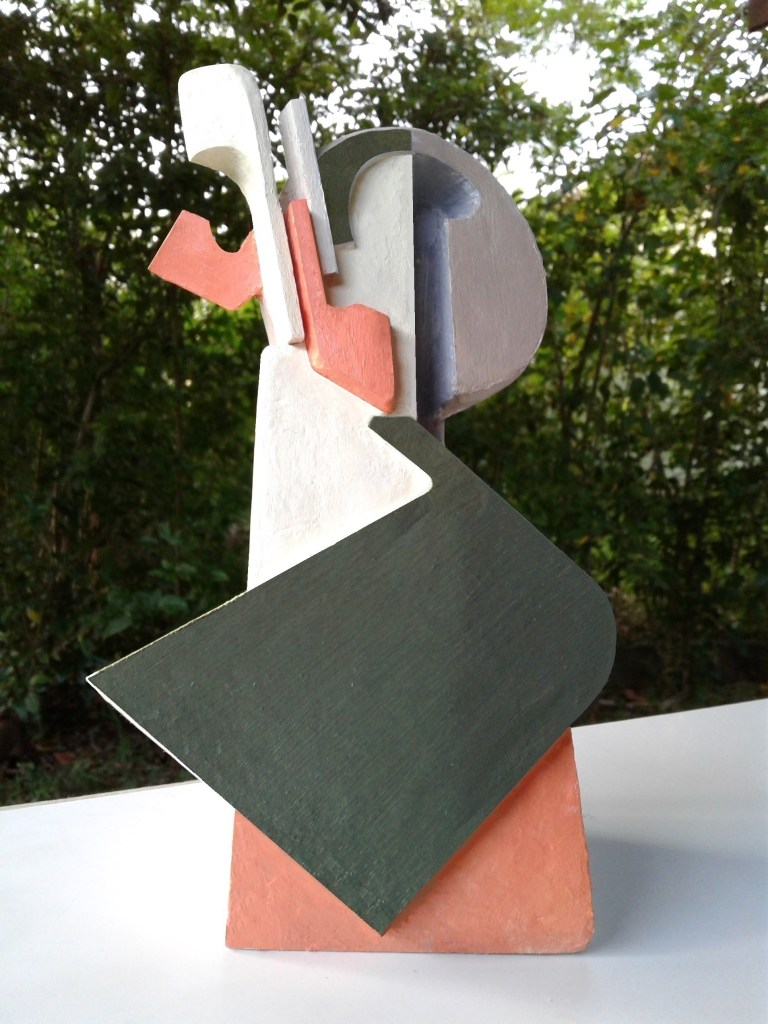
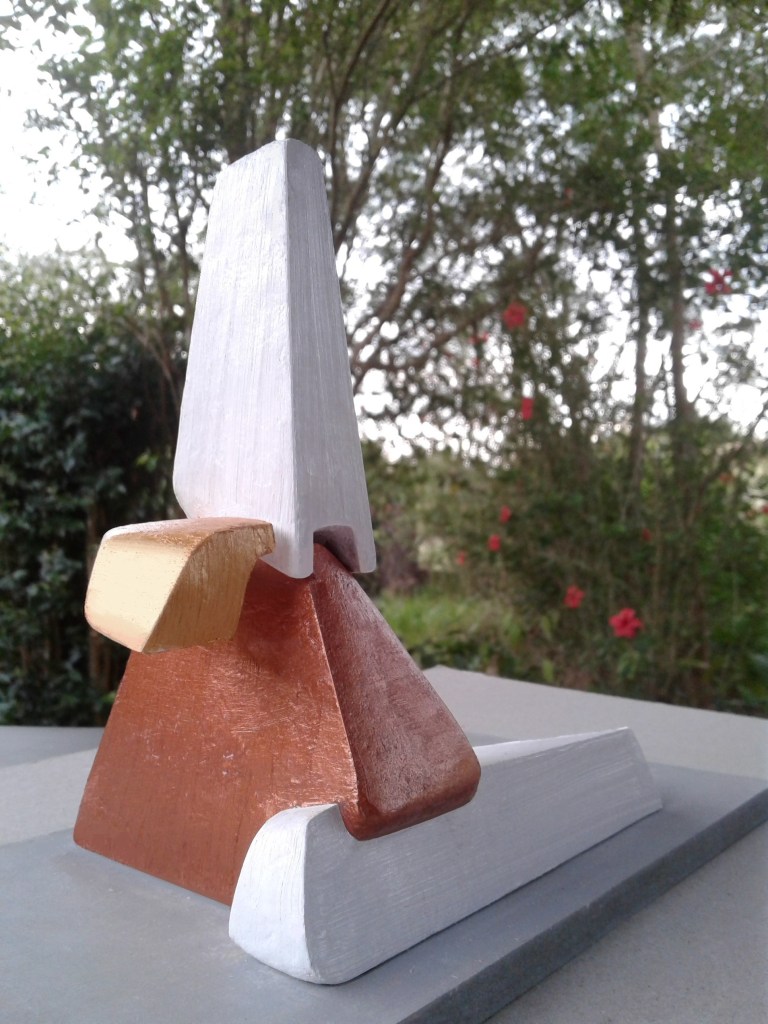
“Gratitude”
Scale 1:20

Mixed media
4″ tall
Model for a Sculpture

Gratitude” presents Oiti

Oiti is the proposed tree for the sixth station of the park. Its binomial name is Licania tomentosa. It belongs to the Chrysobalanaceae Family.

Oiti has various popular names:
goiti-iba
goiti
guaili
oiticica
oitizeiro
oiti mirim
oiti-da-praia (beach oiti)
milho-cozido (boiled corn)
manga-da-praia (mango of the beach)

The word “oiti” comes from the tupi language. Oiti is native to the Atlantic Forest and is widely seen in the streets of brazilian cities. Being resistant to air pollutants, it has a leafy and rounded tree canopy.

Its fruits are edible. They have a yellow peel, and their consistency resembles mango. Its wood has a high percentage of silicon and due to its quality is used to make posts.

It is a tree of rare beauty, due to the shape of its canopy and the varied tones of its leaves. As they grow, the leaves change color, starting with white, going through many shades of light green and ending in dark green.

Natura Futura 7th Anniversary Celebration !!

What about the tree that you’ve planted, how is it going ?

Tolerance

Site em Português


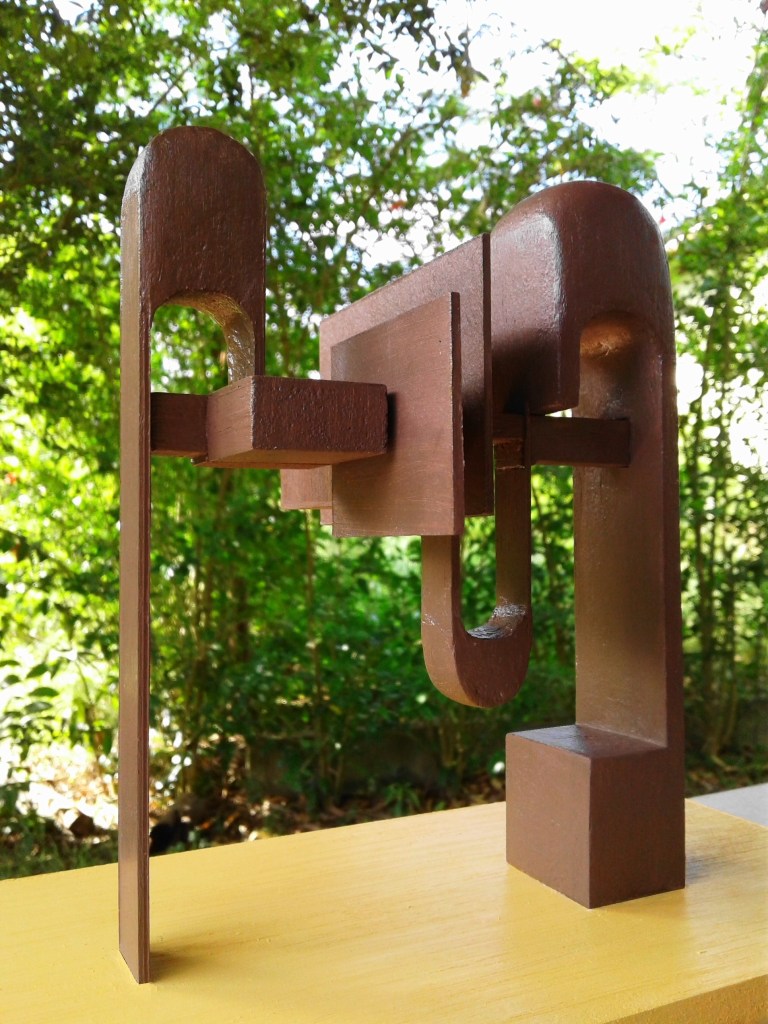
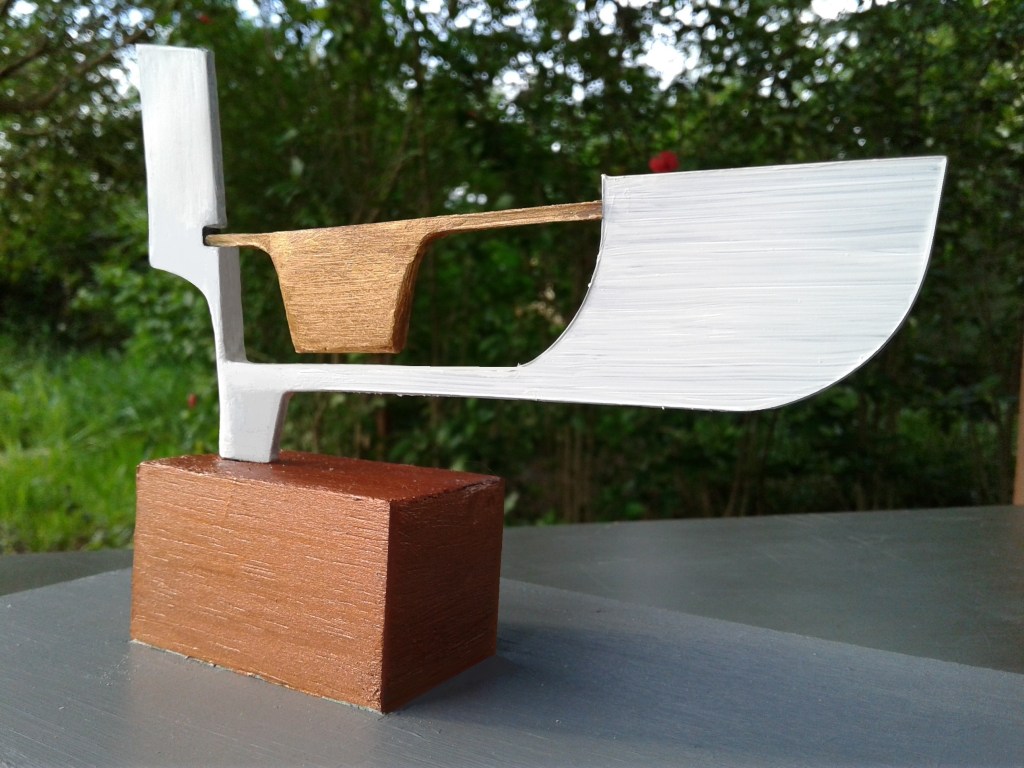
“Tolerance”
Scale 1:20

Mixed media
4″ tall
Model for a Sculpture

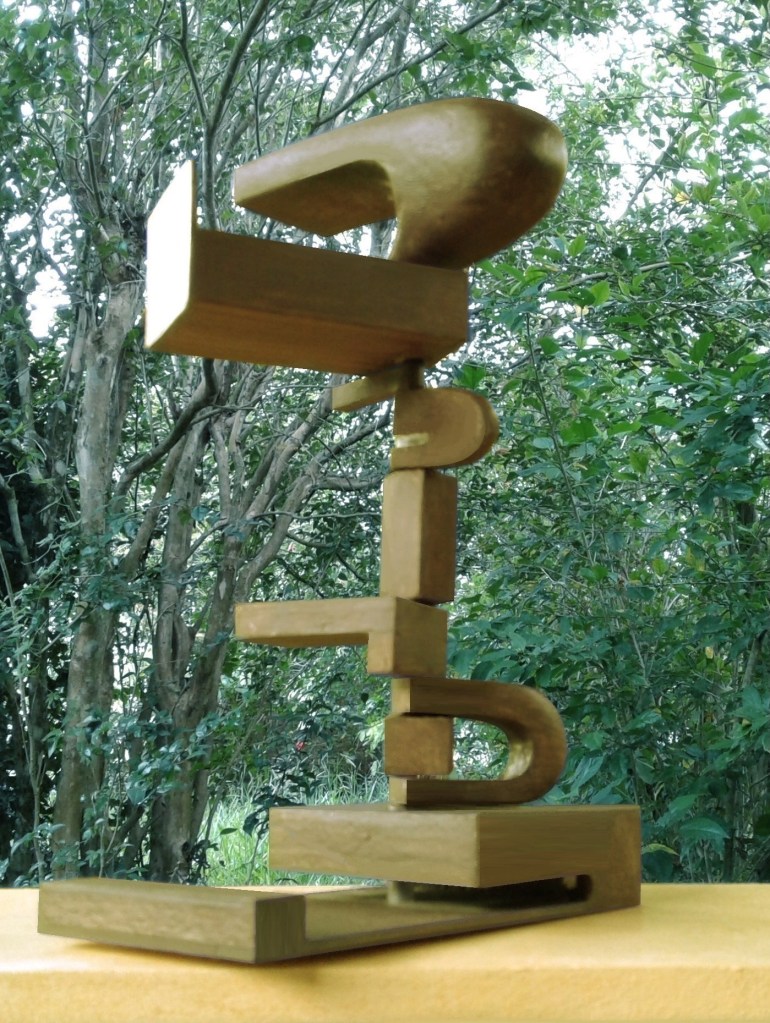
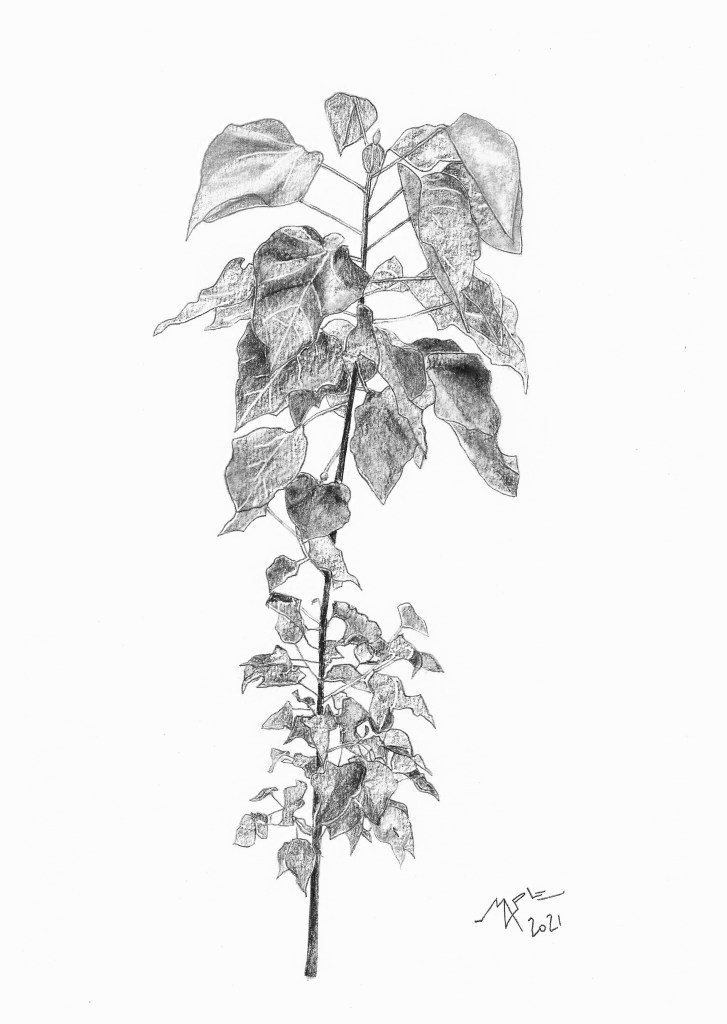
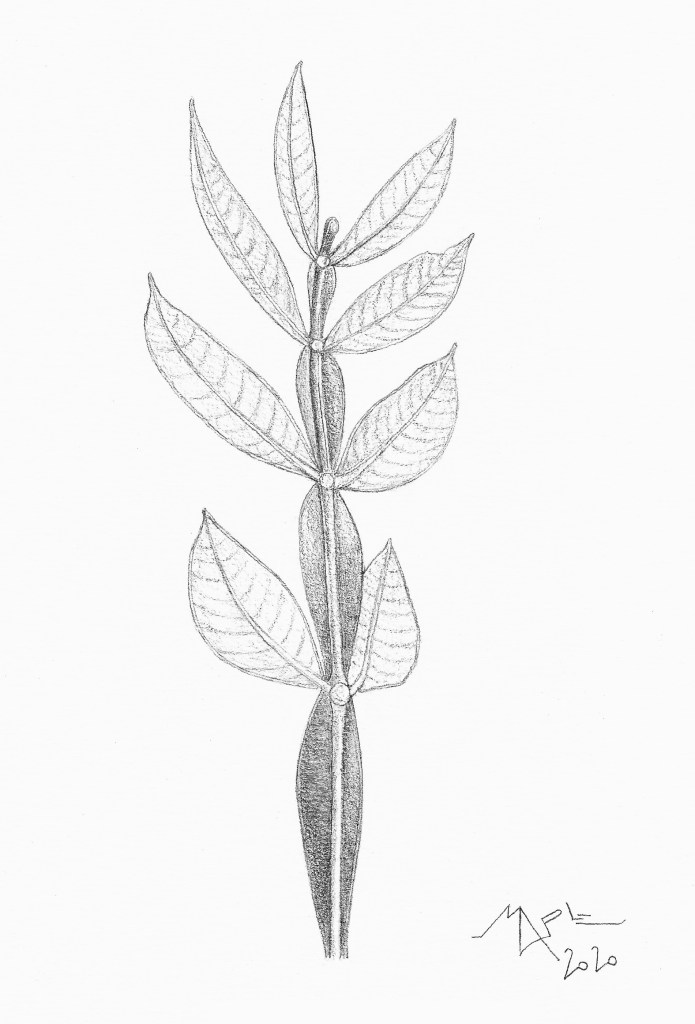
Tolerance” presents Ingá-do-brejo

Ingá-do-brejo or Ingazeiro, is the proposed tree for the fifth station of the park. There are circa 300 species of the genus Inga, and we turn our attention to the Inga uruguensis. It belongs to the Fabaceae family.

“Ingá” originates from the word in-gá in the Tupi indians language, which possibly means soaked. The Ingá-do-brejo is commonly found along rivers and ponds and might be used in locations of excessive humidity.

It is also used for producing shade over coffee plants. Its flowers are generally white, and the pulp covering its seeds is lightly fibrous and sweet, and rich in minerals.

A noteworthy aspect of its leaves is that a leaf-like shape grows along its branches. Something that we are not used to see. After all, a leaf is a leaf and a branch is a branch, some would say.

Some people have fingernails, teeth, or ears with differentiated shapes. Others have natural hair in unusual colors or skin marks. Accepting these rare facts… wouldn’t this be a way of practicing tolerance ?

Right Moment

Site em Português

“Right Moment”
Scale 1:20

Mixed media
4″ tall
Model for a Sculpture

Right Moment” presents Guatambu

There are many trees called Guatambu. These are some tree names, popularly known:
Guatambu-Amarelo (Yellow Guatambu)
Guatambu-Árvore (Guatambu Tree)
Guatambu-Branco (White Guatambu)
Guatambu-Madeira (Guatambu Wood)
Guatambu-Marfim (Ivory Guatambu)
Guatambu-Oliva (Olive Guatambu)
Guatambu-Peroba (Peroba Guatambu)
Guatambu-Rosa (Pink Guatambu)
Guatambu-Vermelho (Red Guatambu)

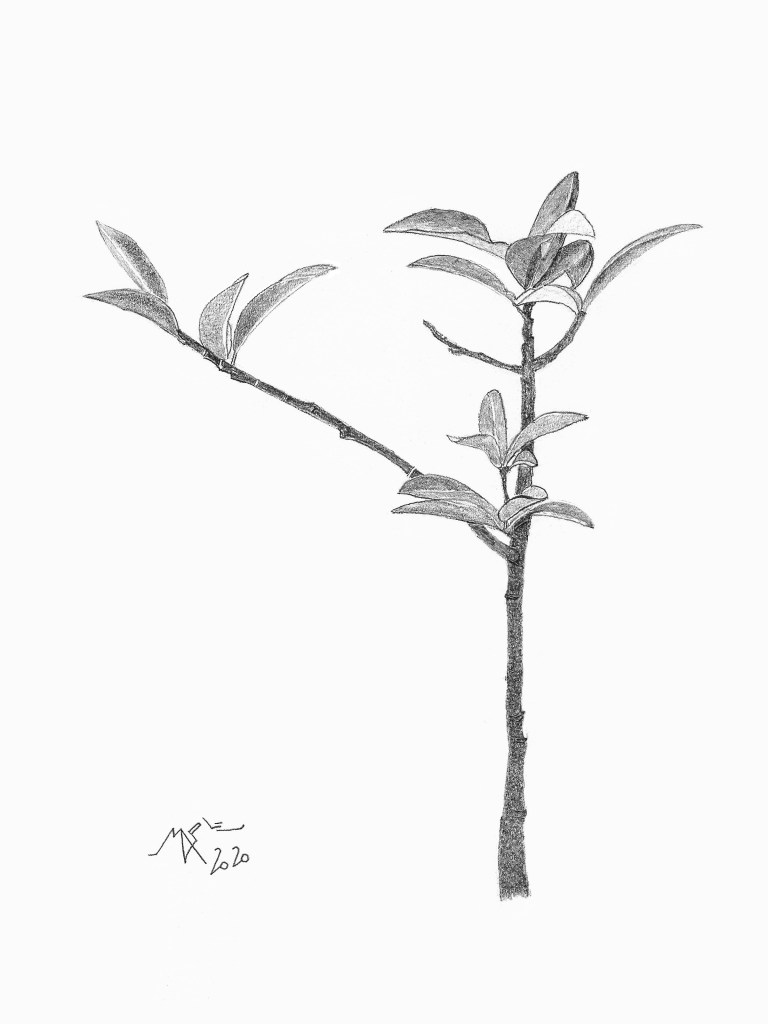
And the proposed tree for the fourth station of the park is the Guatambu-Oliva (Olive Guatambu). Its scientific name is Aspidosperma parvifolium, and it belongs to the Apocynaceae family.

The name Guatambu maybe comes from the Tupi Indians language “gwa a’tã mbu”, expression which means “hard and audible stuff”.

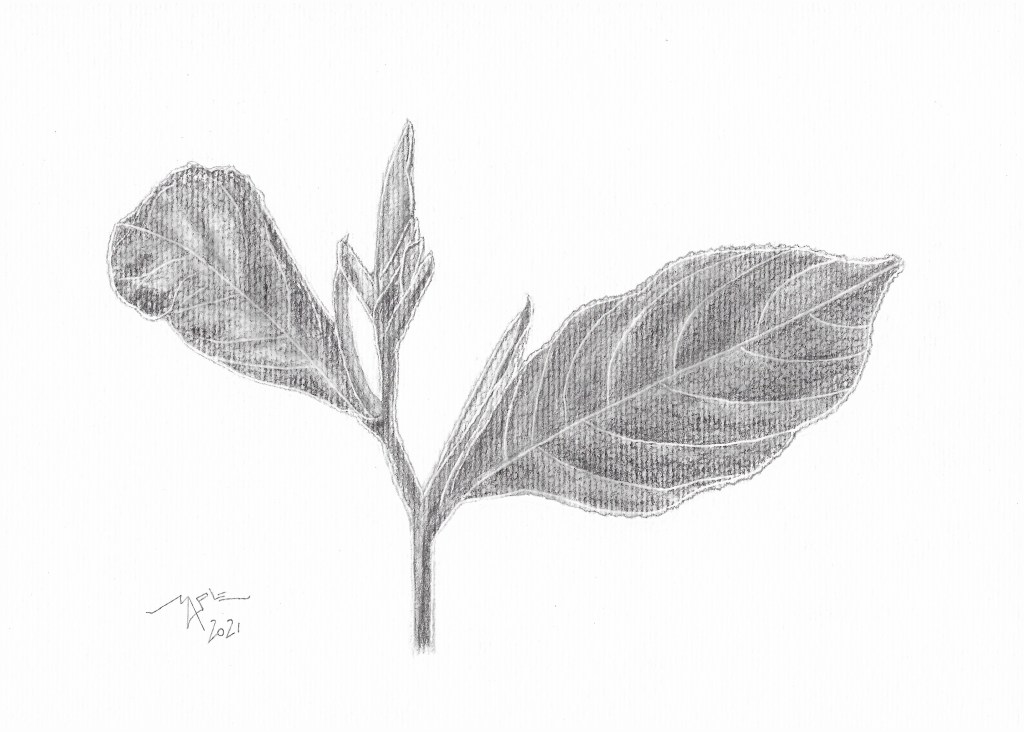
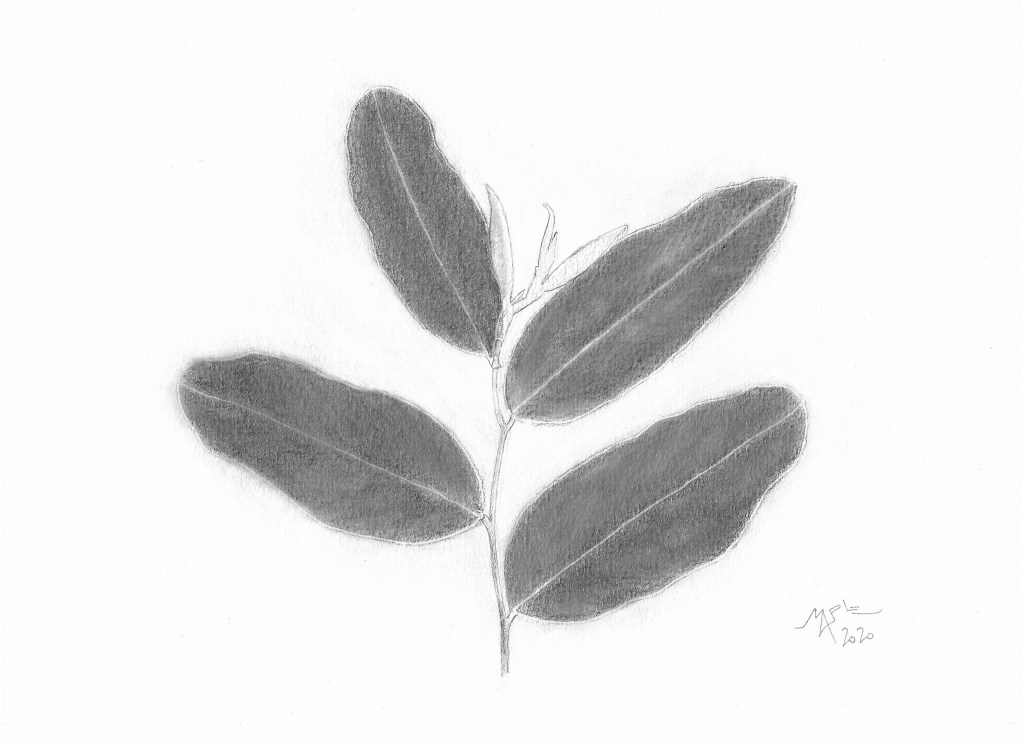
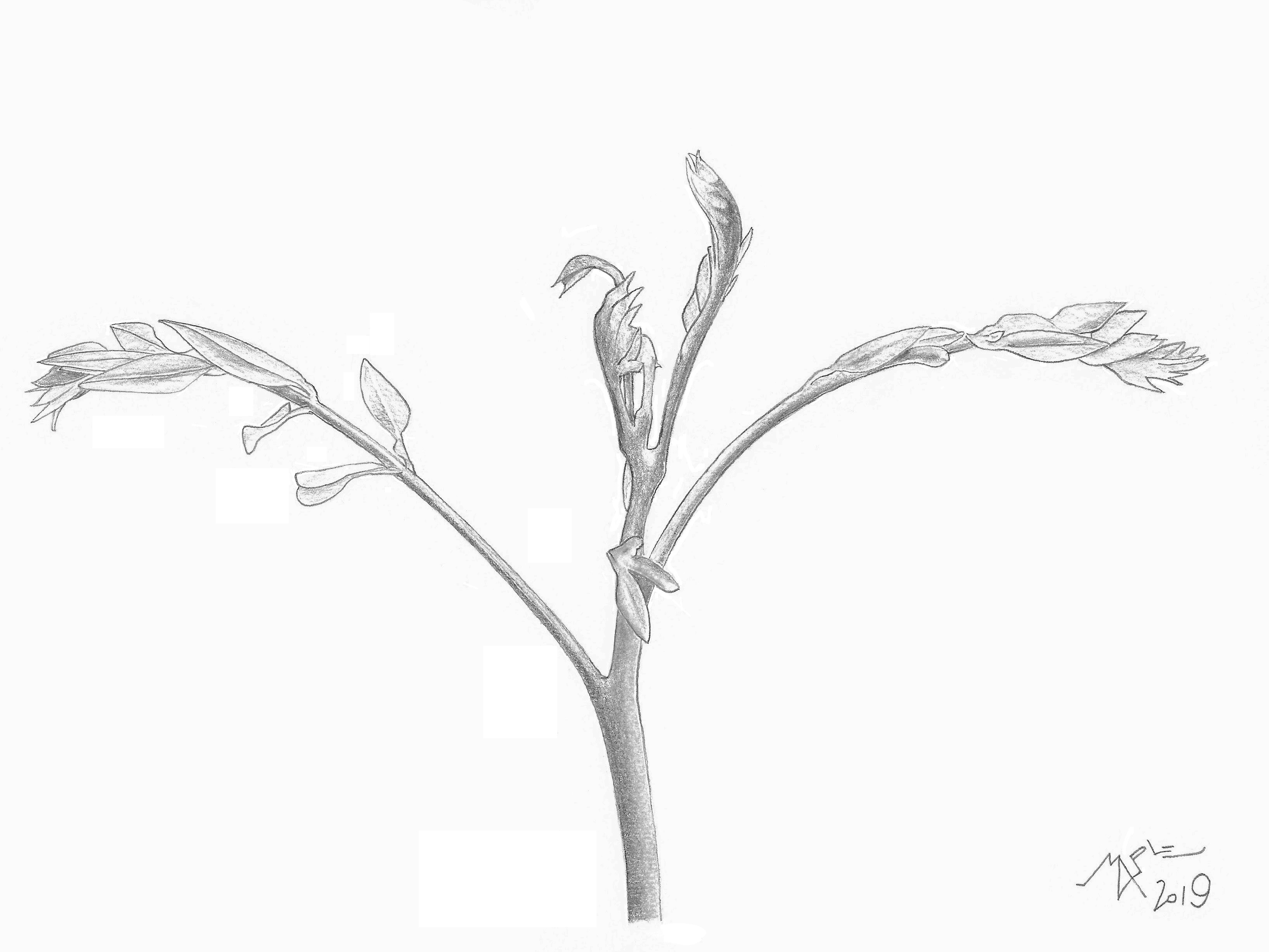
Our illustration refers to the Olive Guatambu, in its initial stage. Its green leaves, slightly folded at their center, sprout from the new branches, in search of the sun.

In its adult stage, it becomes a large-sized tree, which wood is known to be hard, ideal for the production of tools.

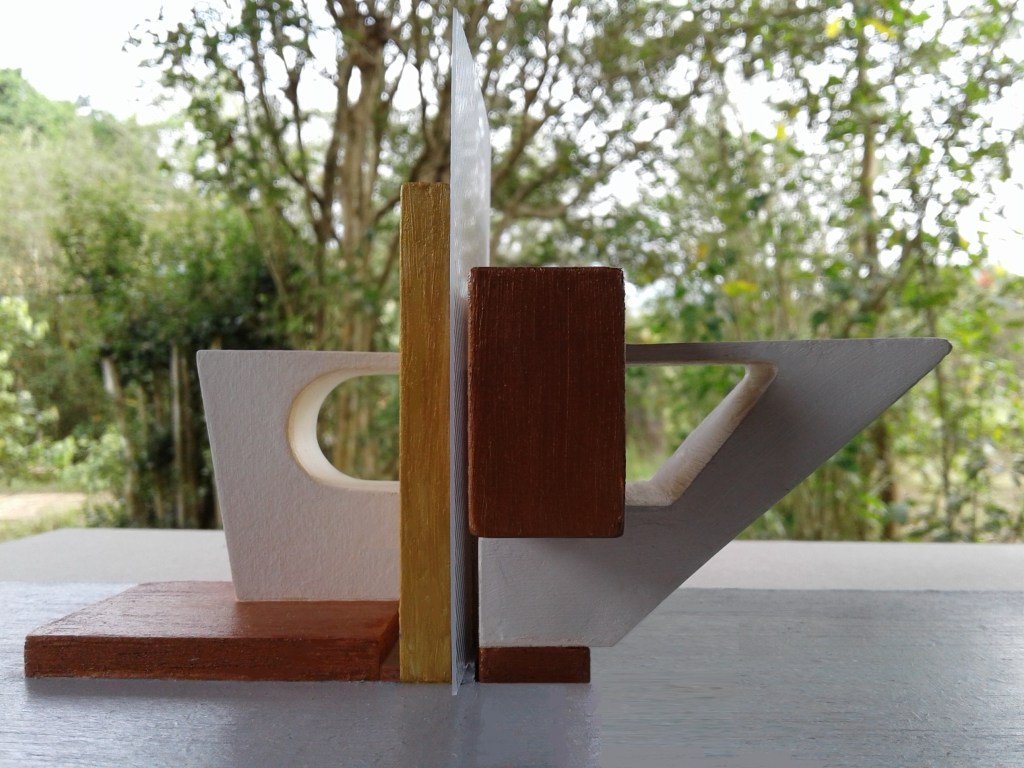
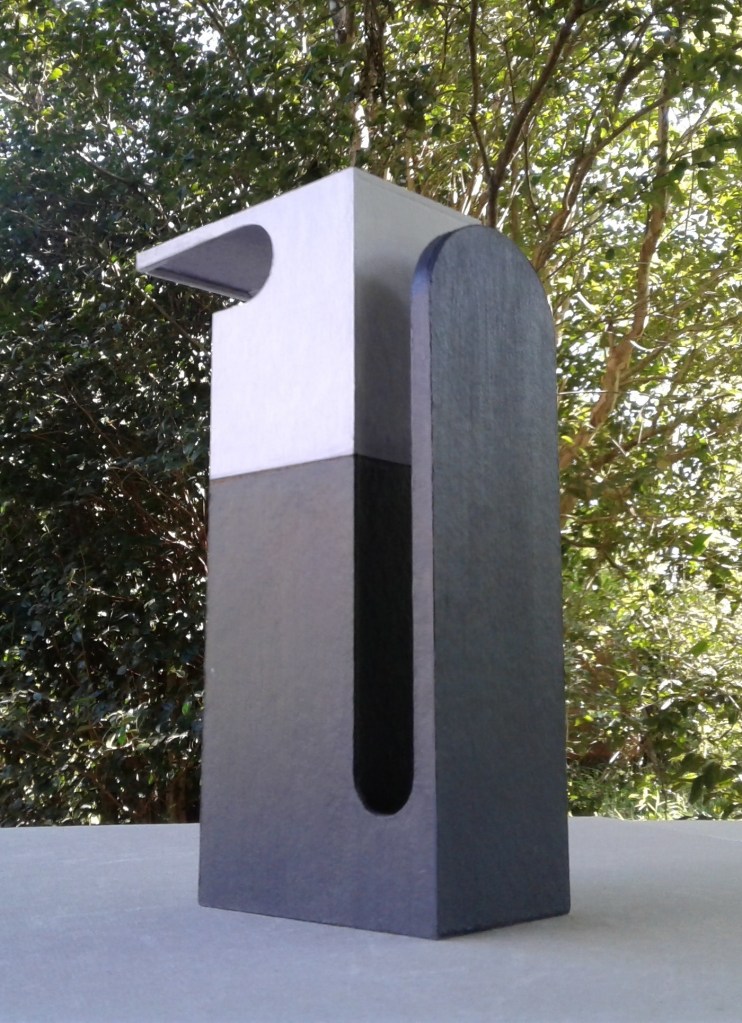
Agility

Site em Português

“Agility”
Scale 1:10

Mixed media
8″ tall
Model for a Sculpture

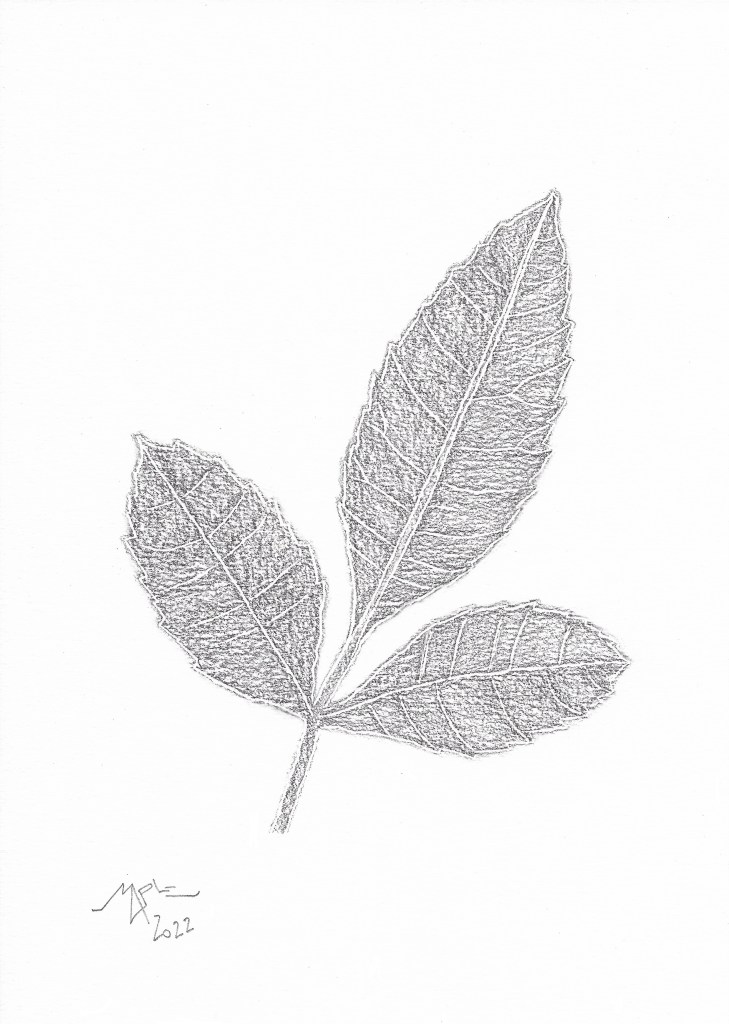
Agility” presents Capororoca

Capororoca is the proposed tree for the third station of the park. Its scientific name is Rapanea ferruginea, and it belongs to the Myrsinaceae family.

The name Capororoca has its origin in “caá y pororog”, expression which means “herb that pops” in the Guarany Indians language.

Since it has small and round fruits, which sprout at the trunk surface, it is also known in Brazil as the olive-of-the-forest.

Its fruits change color, during the maturation process. They go from green to yellowish, later they get a magenta hue, and finally they become black, when they are ripe.

Freedom

Site em Português


“Freedom”
Scale 1:10

Mixed media 
8″ tall
Model for a Sculpture

Freedom” presents Timbó

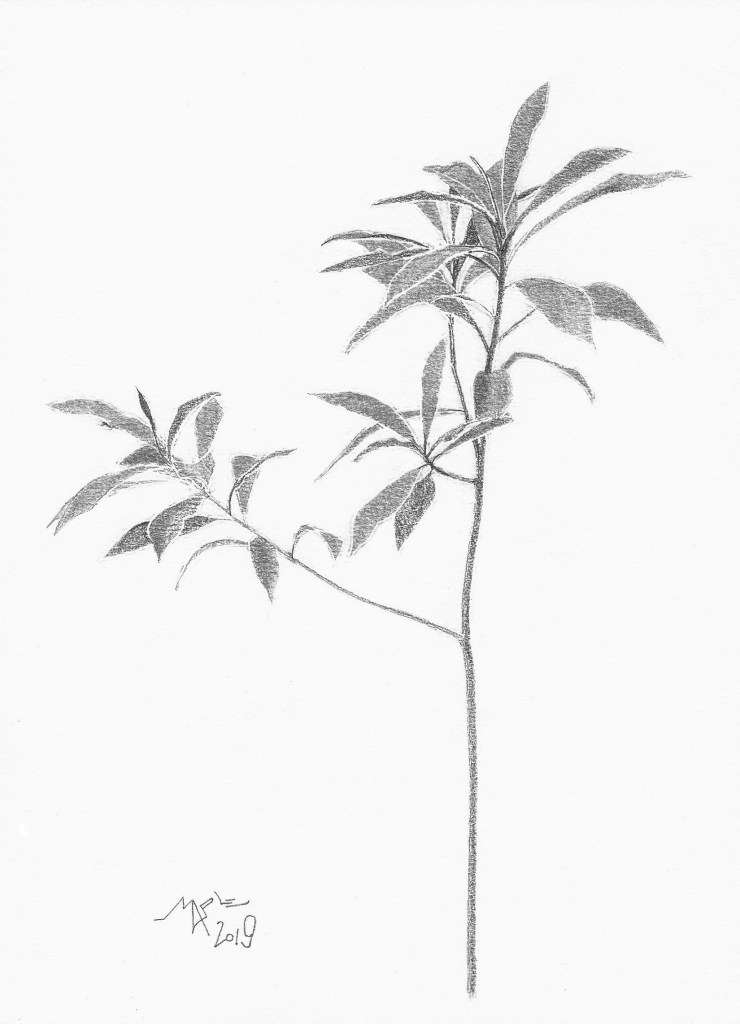
A proposed tree for the park’s second station is Timbó, whose scientific name is Ateleia glazioveana.

The word Ateleia, in ancient Greece, meant a general immunity or exemption from all duties towards the state.

The second word, glazioveana, is a tribute to the French botanist Auguste Glaziou, who lived in Rio de Janeiro, Brazil, in the 1800’s.

The Timbó tree is known as a forerunner species that invades fields. It is never found in the inside of a forest, but sometimes at its borders. Timbó has an aggressive and vigorous character, forming dense settlements of its own species, called Timbozais.

Timbó’s depiction here show the spectacular sprouting of its leaves, inviting our eyes to an awesome ballet of shapes.


Lightness

Site em Português

“Lightness”
Scale 1:10

Mixed media
8″ tall
Model for a Sculpture

Lightness” presents Mirindiba Rosa

Lightness is the first station of the park to be presented, and Mirindiba-rosa is the tree chosen to surround “Lightness”, the sculpture. Its scientific name is Lafoensia glyptocarpa.

Its leaves have a lanceolate, or spear-like shape, i.e., they become gradually pointed at their extremity.

A curious fact is that, by sprouting at the edge of a branch, the just-sprouted leaves have a nearly rectangular shape. As they grow, the shape becomes truncate (abruptly ending with a flat end). Just as they grow further, they become lanceolate (spear-like).

Nothing like an illustration to help us… According to the chinese saying, a picture is worth thousand words.

About the trees proposed for the park

We start in 2019 a new series of texts about trees, with illustrations. These are the proposed trees for each station of the park, supposed to surround the presented sculptures.

There is a comprehensive, specialized literature regarding each tree, these amazing Oxygen Producing Units (OPU). Entire books where written with their data on planting, growth, maximal height, reproduction and utilization.

Nevertheless, this series of short texts aims to:

  • Comment on what can be observed by any person who approaches the tree
  • Encourage those who live immersed in a technology society to observe plants, trees and flowers
  • Let grow an attitude of regard for Nature, necessary factor for our survival on this planet

The first text, “Lightness presents Mirindiba Rosa” will come along the first station, on April 10th.

Read and get yourself enchanted !

The park as it goes

After six years of texts and proposals for the future nature, we start in this month of April 2019, the presentation of a park project.

Every four months, we will show a sculpture and a tree (a so called station of the park). A short text about the tree and a pencil drawing will follow.

The trees selected to be planted in each of the stations are native species of the Atlantic Forest (Mata Atlantica), a biome situated along the brazilian coast, from the northeast until the southern region.

The sculptures belong to Maple’s Linetracer “Monumentals” collection. Get to know this abstract style at: https://maplelinetracer.wordpress.com/

The figurative drawings, created in the Depicter style, can be found at:
https://mapledepicter.wordpress.com/

“Lightness” is the name of the first station, coming on April 10.

If you liked this project and wish to follow it, you may receive a message about the new stations. Click on the “Follow” button, down, at your right and fill in your data.

Your participation and comments are very important for the success of this project!

I didn’t like trees

In this last text, of a series of twelve, we are going to talk about how people feel. Life experience here on Earth is individual, and the perception of what is good or pleasant for some people may not be the same for others.

Some people feel good in front of a computer screen. They like shopping malls, electronics stores, and use to buy and use all kind of technological gizmos as soon as they are released in the market. At home, have no pets nor plants or flowers in vessels and consider this absolutely normal.

Others live surrounded by all kinds of pets, cultivate various plants even inside apartments and prefer to visit parks or green areas whenever possible. They also use the latest technology, but at second instance. To be in touch with nature comes in first place for them.

Both behaviors are socially accepted, and when someone says: “I don’t like trees”, we say that this is a matter of choice and that “there is nothing wrong with that”. This attitude may lead someone to put down a tree, just to be exempted to take care of it. Someone could have asked: why be forced to take care of something that you don’t like?

It is an absurdity “to force” a person to like something or someone. It remains to show that respect attitudes towards Nature and environment are necessary for the survival of the human species, in the long run. Trees provide us with oxygen to breathe, and the food that keep us alive comes from plants and animals that we cultivate or process.

This means it is necessary to create an awareness that human beings are part of Nature and depend on Nature to survive !