
Well-Being

Site em Português

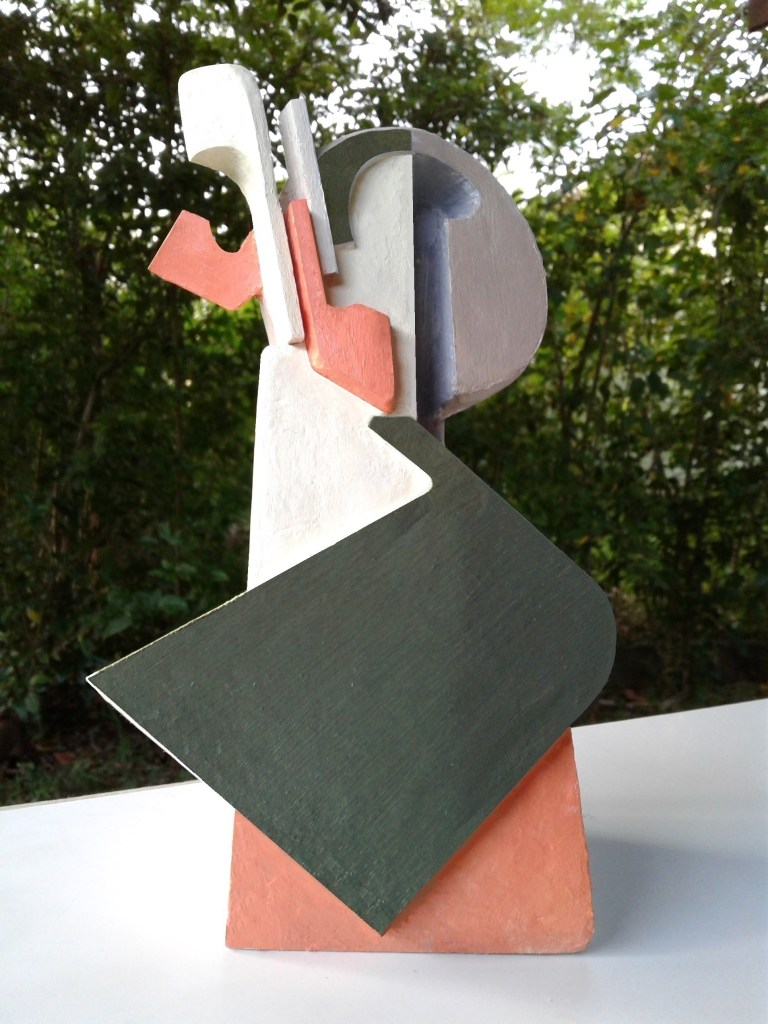
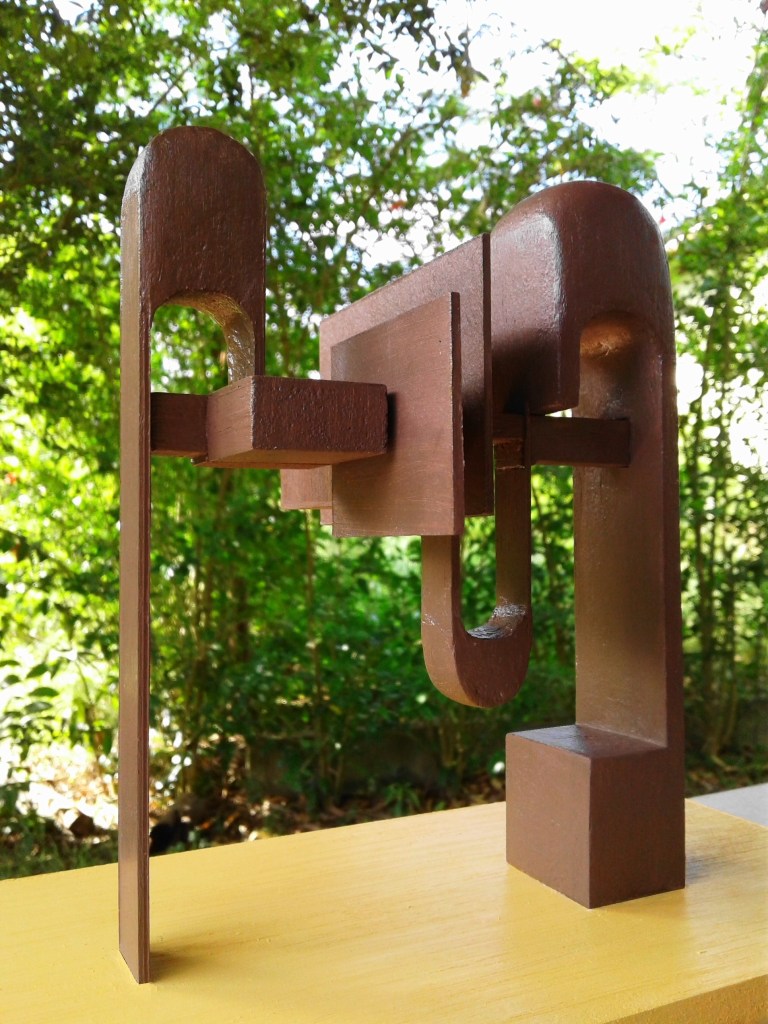
“Well-Being” presents Guanandi

Guanandi is the proposed tree for the fifteenth station of the park. Its binomial name is Calophyllum brasiliense Cambess. It belongs to the Calophyllaceae family.

It is known by several popular names:
casca-d’anta (tapir peel)
cedro-do-pântano (swamp cedar)
cedro-do-mangue (mangrove cedar)
galandim
guanambi
guanambi-carvalho (oak guanambi)
guanambi-cedro (cedar guanambi)
guanambi-landim
guanambi-de-leite (milk guanambi)
guanambi-vermelho (red guanambi)
golandim
guanandi (named in the southwest of Brazil)
guanandi-amarelo (yellow guanandi)
guanandi-do-brejo (swamp guanandi)
guanandi-carvalho (oak guanandi)
guanandi-cedro (cedar guanandi)
guanandi-da-praia (beach guanandi)
guanandi-jaca (jackfruit guanandi)
guanandi-landim
guanandi-landium
guanandi-lombriga (worm guanandi)
guanandi-piolho (lice guanandi)
guanandi-poca
guanandirana
guanandi-rosa (pink guanandi)
guanandi-vermelho (red guanandi)
guanantim
gulande
gulande-carvalho (oak gulande)
gulandi
gulandi-carvalho (oak gulandi)
gulandin
gulandium
gulanvin-cavalo (gulanvin-horse)
iarairandira
inglês (english)
irá-iandi
jacareaba
jacareíba
jacareúba (named in the Amazon region)
jacareúba-guanadilandium
jacareúba-guanani
jacare-uba
jacarioba
jacariúba
jacurandi
landi
landi-carvalho (oak landi)
landi-do-brejo (swamp landi)
landi-jacareíba
landim (named in the Amazon region)
landim-do-brejo (swamp landim)
landim-jacareúba
landinho (small landi)
landium
landium-do-brejo (swamp landium)
landium-jacareíba
lantim
maria (Mary)
oanandi
oanandim
olandi
olandi-carvalho (oak olandi)
olandim
olando-carvalho (oak olando)
pau-de-azeite (olivewood)
pau-de-maria (Mary’s wood)
pau-de-santa-maria (St. Mary’s wood)
pau-sândalo (sandalwood)
pindaíba
pindaíva
santa-maria (St. Mary)
uaiandi
uá-iandi
uáiandi
urandi

The word “Guanandi” comes from the Tupi language and means “fruit with sticky gum”. It is native to the Amazon, Cerrado and Atlantic Forest biomes of Brazil. The latex in its bark is used to produce landim balm, which has medicinal uses, such as healing (i.e., helping the growth of a new tissue that forms over a wound).

It is a tree that grows up to 30 meters (98 feet), with a trunk that can reach 60 cm (23 inches) in diameter. Its wood, considered hardwood, was widely used in the construction of ships during the Brazilian imperial period.

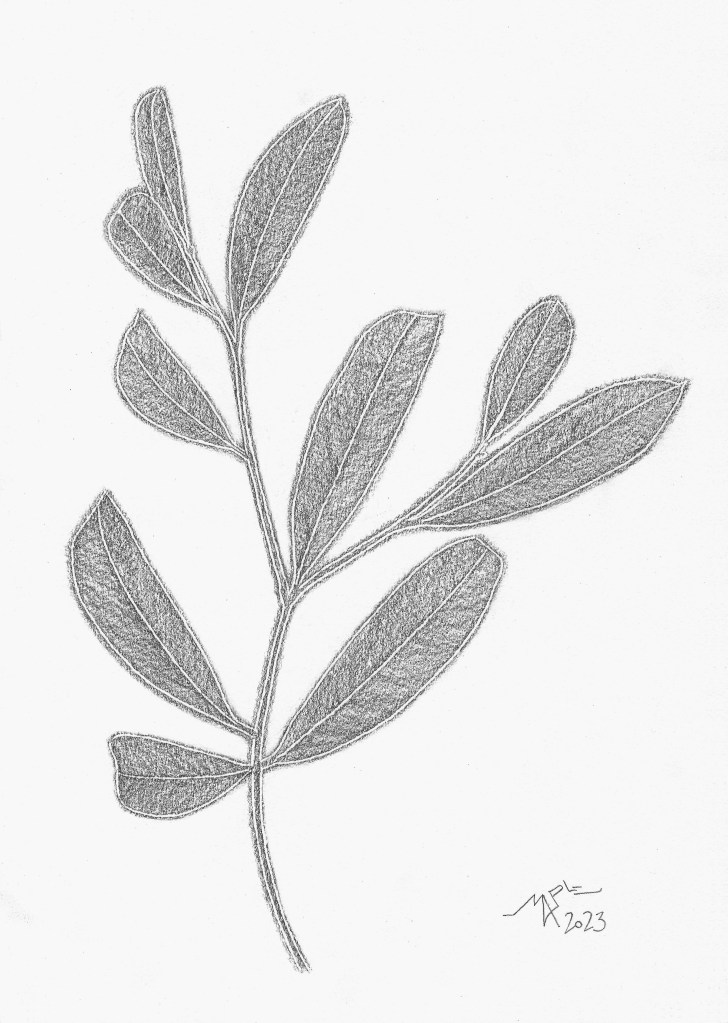
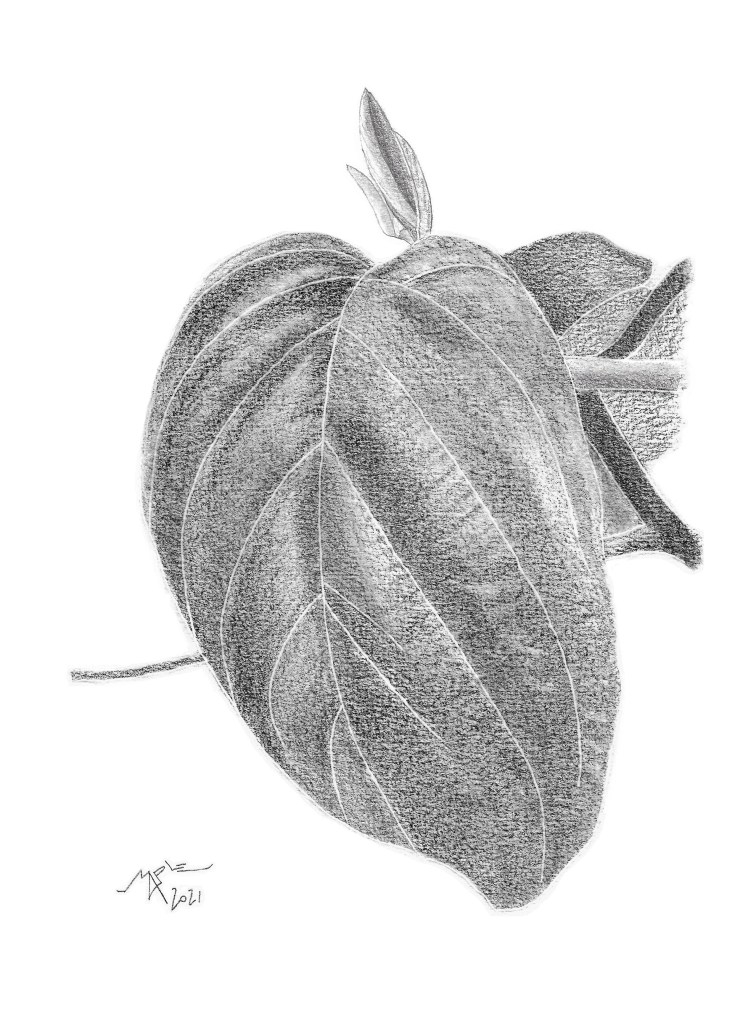
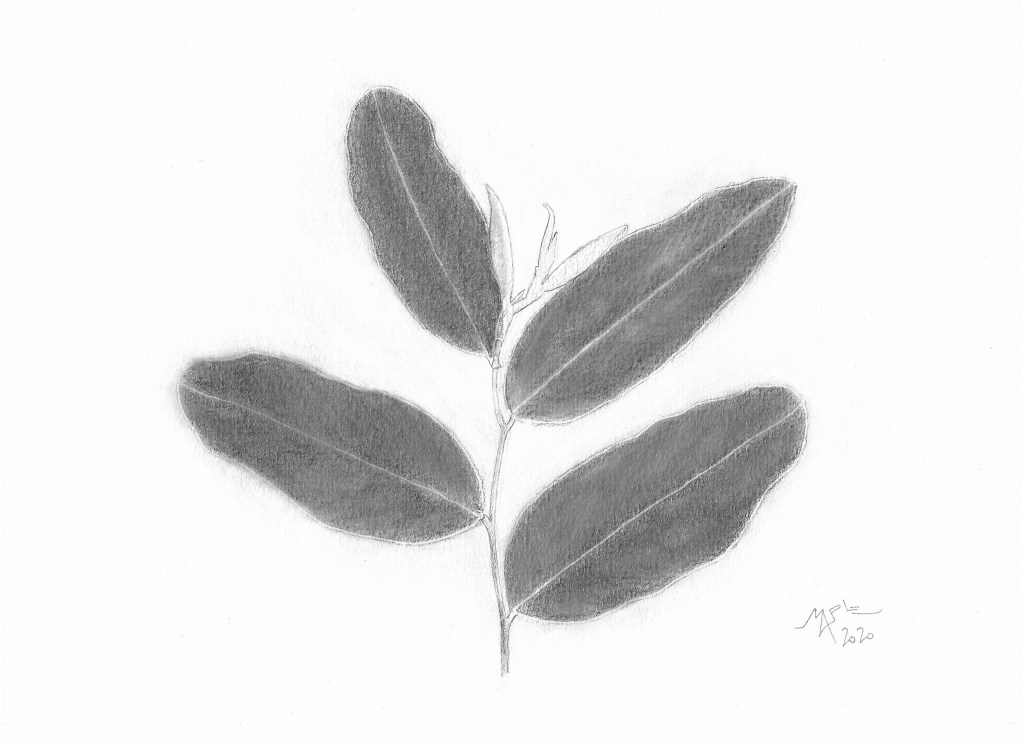
Its flowers are white and bloom from September to November. Its leaves have a characteristic light green surface and are intersected by a charming dark green central line.
Knowledge

Site em Português

“Knowledge” presents Café de Bugre

Café de Bugre is the proposed tree for the fourteenth station of the park. Its scientific name is Cordia salicifolia. It belongs to the Boraginaceae family.

Cordia salicifolia is also known as Cordia digynia or Cordia coffeoides and has the following popular names:
porangaba
bugrinho (little bugre)
café-do-mato (wild coffee)
cafezinho-do-mato (small, wild coffee)
café-de-bugre (Brazilian indians’ coffee)
chá-de-frade (friar’s tea)
claraíba
louro do mato (wild laurel)

The name Porangaba comes from the Guarani language and means “fruit with reddish pulp”. Its fruits are reminiscent of the fruits of the coffee tree, and bugre is an old European reference to the indigenous people of Brazil. Hence the name Café de Bugre.

It occurs in the Atlantic Forest, from the northeast to the south of Brazil, and in Paraguay. Its height is between 8 and 12 meters (26 to 39 feet), even reaching 20 meters (65 feet) in forests. The diameter of its trunk reaches between 30 and 40 cm (12 to 16 inches).

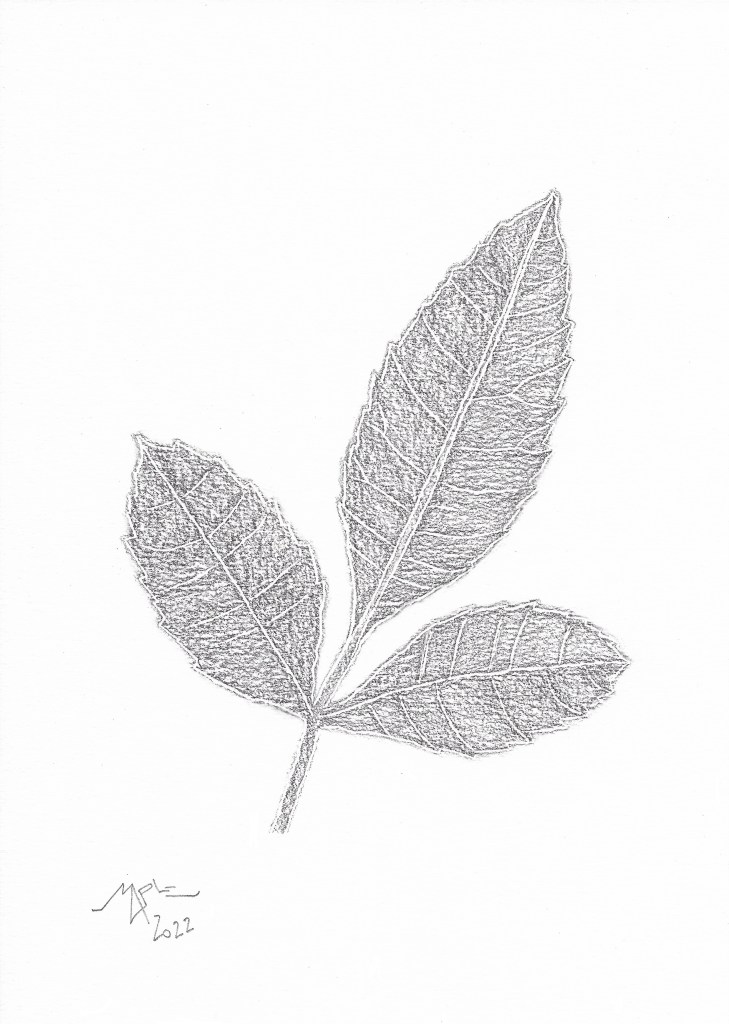
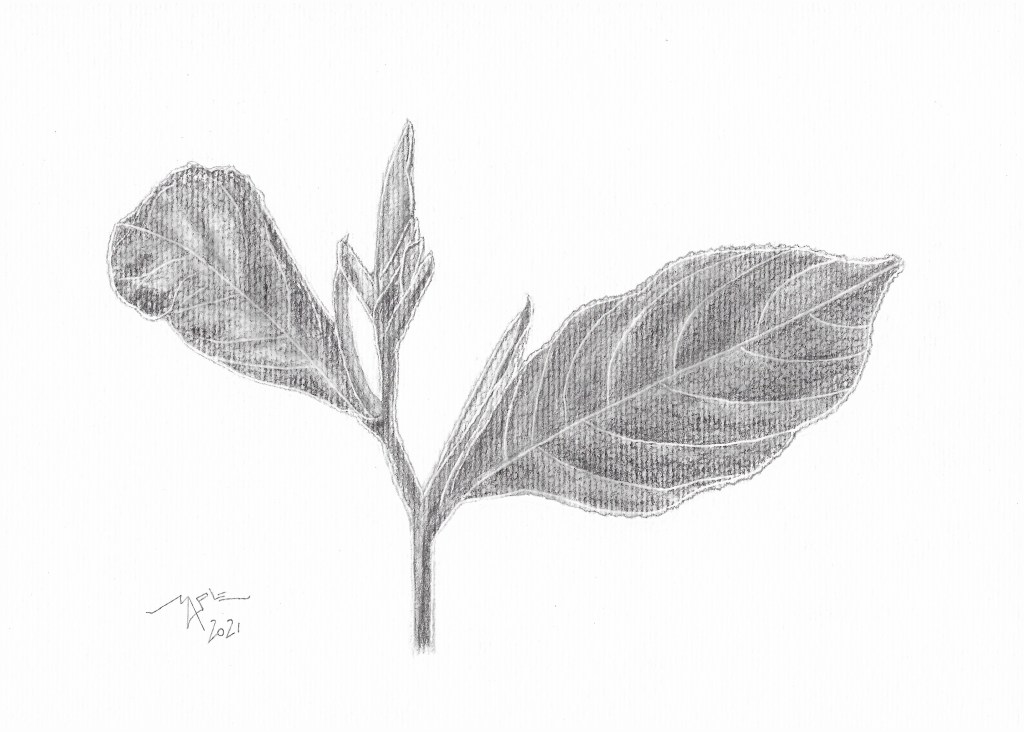
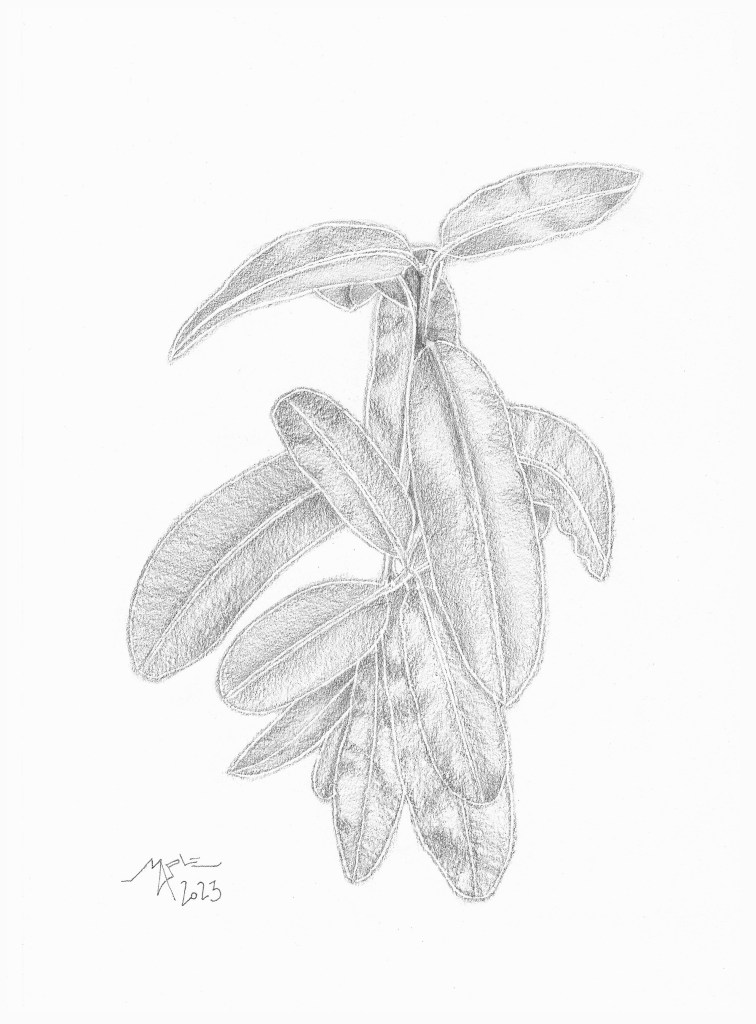
Its wood is soft and compact, but not very durable. Its flowers are melliferous and its fruits are red, with a taste similar to persimmon. Its leaves, which measure between 8 and 14 cm (3 to 5 inches), have a very expressive and elegant shape.

Initiative

Site em Português

“Initiative” presents Sibipiruna

Sibipiruna is the proposed tree for the thirteenth station of the park. Its scientific name is Caesalpinia pluviosa. It belongs to the Fabaceae family (the same family as the Ingá-do-brejo tree).

Its name comes from the Tupi language and means “black sibipira”. Native to the Atlantic Forest, its foliage is similar to the Brazilwood. Its height ranges from 6 to 18 meters (20 to 60 feet), and can reach up to 28 meters (92 feet). The diameter of its trunk reaches between 30 and 40 cm (12 to 16 inches).

Its leaves fall off in winter, almost completely, and reappear in spring. Its flowers are yellow and appear from September to November. Its fruits are flat and contain about 3 to 5 seeds. It is a long-lived tree, and can reach 100 years of age.

Sibipiruna is a pioneer species (like the Timbó tree), and is one of the first species to appear in a degraded area. It is large, has exuberant flowering, provides cool shade and grows quickly. These are traits that make it in tune with the concept of Initiative !

Determination

Site em Português

“Determination” presents Cabreuva

Cabreuva is the proposed tree for the twelveth station of the park. Its binomial name is Myrocarpus frondosus. It belongs to the Fabaceae Family.

Cabreuva has various popular names:
cabriuva
cabriuva-parda (dark “cabriuva”)
cabrue
cabureiba
oleo-cabureiba (oil “cabureiba”)
oleo-pardo (dark oil)
pau-balsamo (balsam wood)

The word “Cabreuva” comes from the Tupi word “cabure iwa”, which means cabure tree. Cabreuva is a tree native to the Atlantic Forest, found in the northeast, southeast and south of Brazil. Its wood is reddish and considered noble. Its sawdust is used in perfumery and its bark has medicinal uses.

It is an aromatic and honey-bearing tree that grows up to 30 meters, whose trunk can reach 80 cm in diameter.

Courage

Site em Português

“Courage” presents Aroeira

Aroeira is the proposed tree for the eleventh station of the park. Its scientific name is Schinus terebinthifolia and it belongs to the Anacardiaceae family.

Native to the brazilian atlantic forest, this tree is also known in the USA. Actually it has been introduced to Hawaii, Texas, California, Arizona, Nevada, Louisiana and Florida. Therefore there is more available information about it in english.

These are the most common popular names in english:
aroeira
Brazilian peppertree
rose pepper
broadleaved pepper tree
wilelaiki (or wililaiki)
Christmas berry tree
Florida holly

While these are the popular names in Brazil:
aguaraíba
aroeira
aroeira-branca (white aroeira)
aroeira-da-praia (beach aroeira)
aroeira-do-brejo (swamp aroeira)
aroeira-do-campo (field aroeira)
aroeira-do-paraná (paraná aroeira, while Paraná is a brazilian state)
aroeira-do-sertão (backwoods aroeira)
aroeira-mansa (meek aroeira)
aroeira-negra (black aroeira)
aroeira-pimenteira (pepper aroeira)
aroeira-precoce (precocious aroeira)
aroeira-vermelha (red aroeira)
aroerinha-do-iguapé (iguapé aroeira)
bálsamo (balm)
cabuí
cambuí
coração-de-bugre (Indian heart)
fruto-de-raposa (fox fruit)
fruto-de-sabiá (sabiá fruit, while sabiá is a bird)

The aroeira tree reaches a height of 16 to 32 feet, and its trunk reaches a diameter of 11,8 to 23,6 inches. Its flowers are small and whitish, and its fruits, also small, are bright red.

Its wood is heavy and soft, and is used in posts and also as firewood and charcoal. Its bark is used in leather tanning and fishing nets. Its fruits are used in cooking as a spice.

When pruned, it can release multiple branches simultaneously, which gives it an unique ornamental beauty.

Faith

Site em Português

Faith” presents Brazilwood

Brazilwood is the proposed tree for the tenth station of the park. Its scientific name is Paubrasilia echinata and it belongs to the Fabaceae family.

Brazilwood would have this name due to the red, ember-like color of its wood. However, there are other theories about the origin of the word Brazil. One of them points to verzino, a Tuscan word for a wood from which paint was extracted. There are also other names for the “Brazil wood”, in its place of origin:
Pau-de-tinta (ink wood)
Pau-pernambuco (pernambuco wood, while Pernambuco is a brazilian state)
Pau-rosado (rosy wood)

In the Tupi language, the tree has the following names:
Arabutan
Ibirapitanga
Ibirapiranga
Ibirapitá
Orabutan
In Tupi, ïbi’rá means wood while pi’tãga denotes its red color.

The tree reaches 15 meters in height and is famous for the quality of its wood and the resin used in the manufacture of fabrics. Its trunk is grayish in color and covered in large “spines”, technically called aculei. Its leaves are small and oblong in shape.

Much is said about Brazilwood, when studying the arrival of the first Europeans to the coast of South America. The name of the immense territory conquered by the Portuguese became Brazil, due to the abundance of this species in the Atlantic Forest. At that time began the trade of Brazilwood, a phenomenon so intense that it generated a dangerous process of decimation of the species, leaving sequels to this day. The Brazilwood is currently considered a vulnerable species, in danger of extinction.

In this year of 2022, we celebrate Brazil’s Independence Bicentennial along with the 100th anniversary of the 1922 Modern Art Week. Being the starting point of modernist aesthetics in the country, it bore fruits such as the “Pau-Brasil Manifesto” and the book “Pau-Brasil” (“Brazilwood”) by Oswald de Andrade . These idealized, in a natural and primitivist tone, autonomous values ​​for the young nation, which had just completed one hundred years. With “Poesia Pau-Brasil” (“Brazilwood Poetry”) Andrade aimed for a pioneering “poetry for export” (a first production that was actually original to the country, and not a production derived from foreign models).

And you, do you know Brazilwood? The tree that gave a nation its name carries with it history, tradition and also the awareness of recovery and preservation of brazilian native forests. And here’s the question: have you ever seen a Brazilwood forest?

Count-it-not

Site em Português

“Count-it-not” presents Pink Jequitiba

Jequitiba (written “Jequitibá” and pronounced “shee-kee-tee-bawe”) is the proposed tree for the ninth station of the park.

There are many species of Jequitiba, among them:
Pink Jequitiba aka Jequitibá-rosa (Cariniana legalis)
White Jequitiba aka Jequitibá-branco (Cariniana estrellensis)
Red Jequitiba aka Jequitibá-vermelho (Cariniana rubra)
“Carnation” Jequitiba aka Jequitibá-cravinho (Cariniana parvifolia)
Jequitiba aka Jequitibá (Cariniana ianeirensis)

Our text is about the Pink Jequitiba, which binomial name is Carinianna legalis. It belongs to the Lecythidaceae family.

Jequitiba is a word of the tupi indian language (yekïti’bá), which probably means “giant of the forest”.

It has other popular names, as follows:
congolo-de-porco (pig’s nematode)
estopa (cotton waste)
pau-carga (load wood)
pau-caixão (coffin wood)
sapucaia-de-apito ((whistle sapucaia (note: sapucaia is a tree))

Being able to reach up to 164 ft height and 22 ft diameter, the Pink Jequitiba deserves the byname giant of the forest. Its bark has medicinal applications and its seeds are sought as food by monkeys. It also has a light weight wood, which can be used in furniture. Shiny but slightly wrinkled leaves complete the profile of this charming tree, gigantic in all its attributes.

Consider

Site em Português

“Consider” presents Saguaraji

Saguaraji is the tree we have proposed for the the eighth station of the park. It belongs to the Rhamnaceae family, and its scientific name (binomial name) is Colubrina glandulosa.
It is popularly known as:
sabiá-da-mata (sabiá bird-of-the-forest)
sobrasil
sagoraji
sobraji
subraji
saguari

Present at the Atlantic Forest, from the brazilian State of Ceará until Rio Grande do Sul State, Saguaraji reaches up to 20 meters (65 feet). Its fruits ripen from December to February, and its flowers are very small. The Saguaraji wood is considered to be a resistant one.

The Saguaraji leaves have brilliant texture and round shapes. On their surfaces, grooves create internal elongated areas, which provide them with a charming beauty.


Open Mindedness

Site em Português

Open Mindedness” presents Urucum

Urucueiro or Urucuzeiro, is the proposed tree for the seventh station of the park. In Brazil, sometimes the word Urucum is used to refer to the tree, when it is actually the fruit’s name. Its scientific name is Bixa orellana and it belongs to the Bixaceae family.

Urucum or urucu comes from the tupi word uru’ku, which means red (the color of its seeds and fruits). In other languages it is called:
Orleansstrauch (german)
Achiote, onoto or bijol (spanish)
Rocou (french)
Achiote or annatto (english)

The Urucum branches expand in all directions. They resemble arrows, as a testimony of the outstanding tree’s attributes. Let us start with an analogy, to understand what this means.

For centuries, humanity benefited from this animal: the ox. While serving humans, it is perhaps a title-holder. When alive, an ox can be used to carry loads (bullock cart) or to produce the so precious milk (yes, the cow milk and the dairy products). A slaughtered ox, provides us food, like barbecue, leather for clothes and shoes, and even buttons (made out of its horns).

In the vegetable kingdom, Urucum is also a champion tree. Its beautiful flowers have petals in whitish pink tones. The shape of its fruits and its surroundings holds an unique beauty. Its leaves and seeds are used as an expectorant. The oil it produces has high antioxidant activity, ideal for nutritional supplements. Also in cooking, it is used to give red color to foods. As a cosmetic, its oil is used as an insect repellant and as a sun protector. On the skin it acts also like a dye, giving it a redish tone when used continuously.

Gratitude

Site em Português

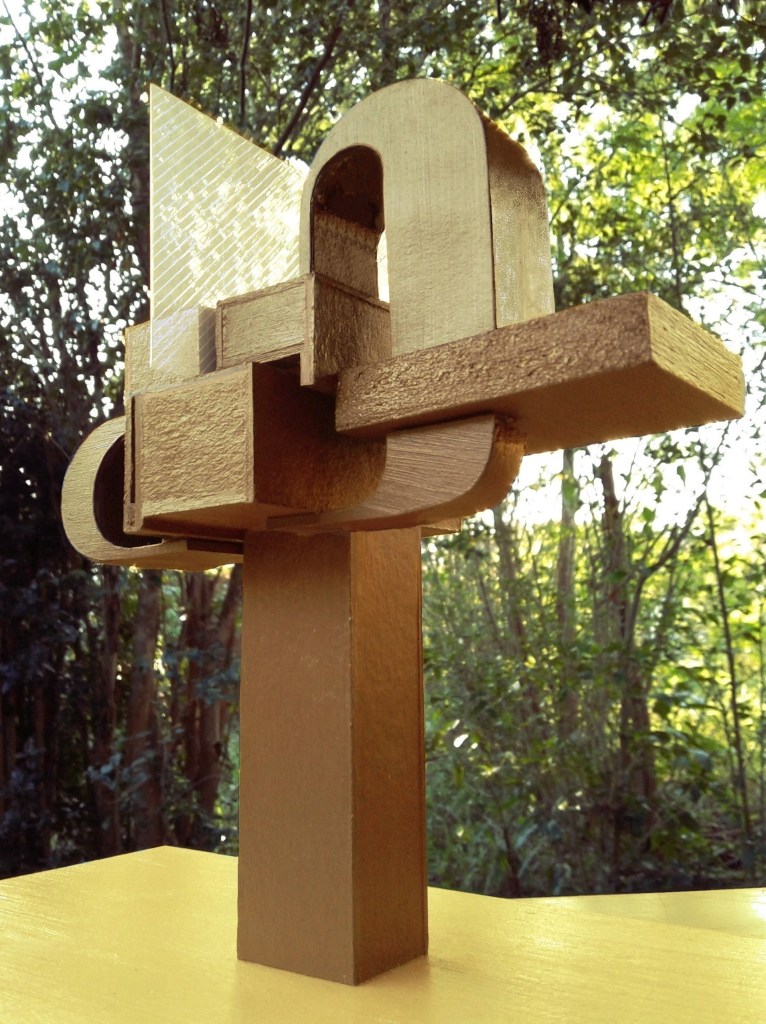
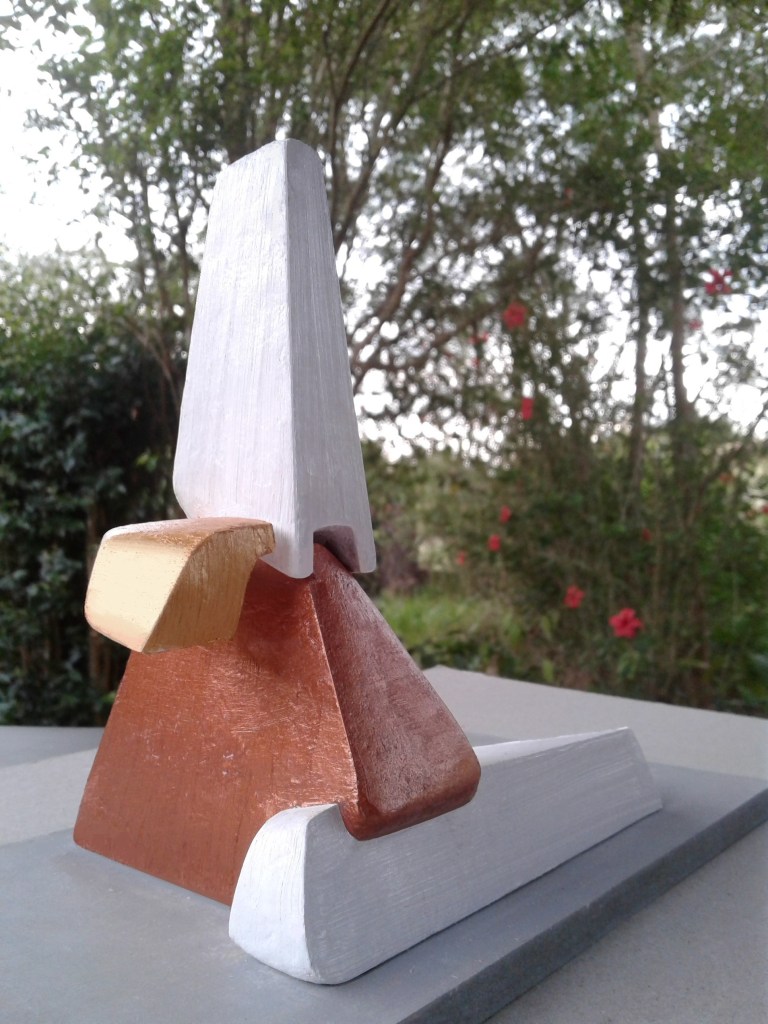
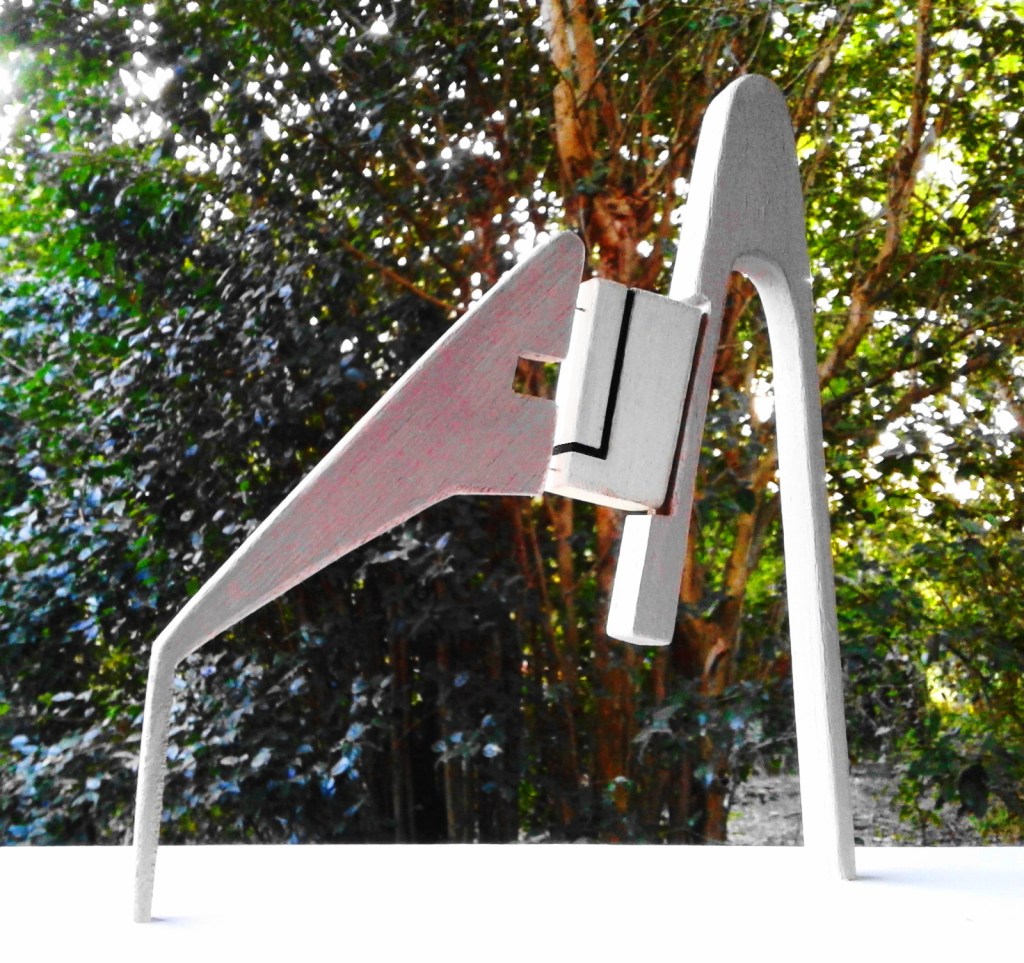
“Gratitude”
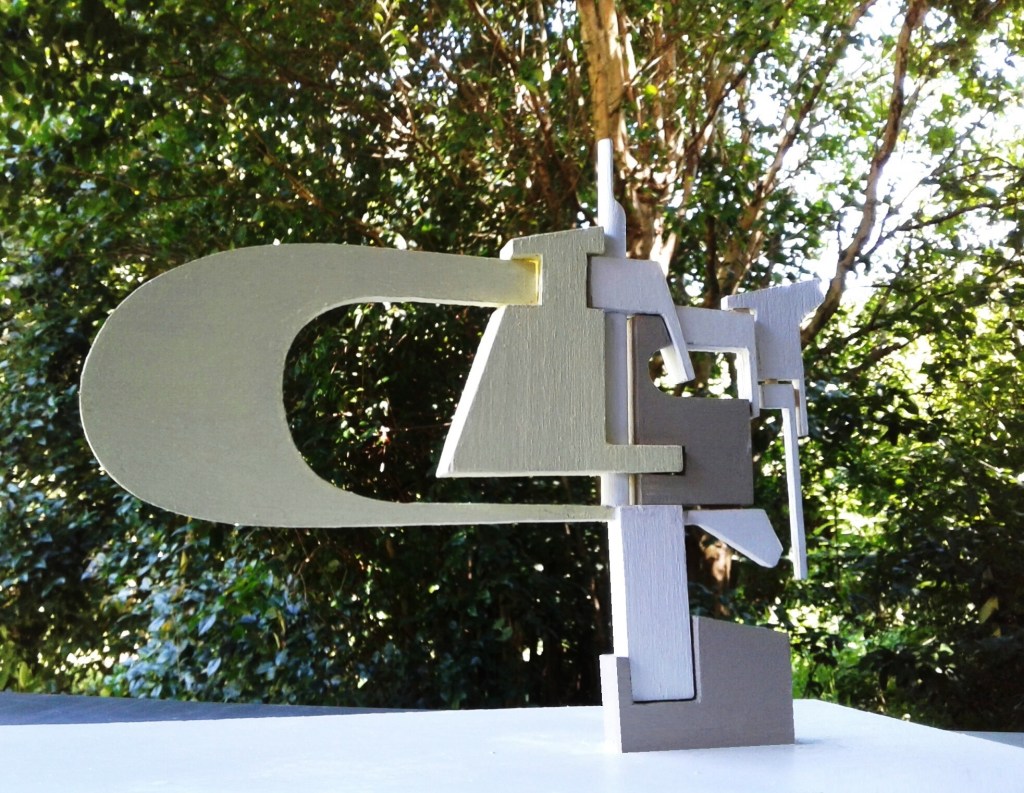
Scale 1:20

Mixed media
4″ tall
Model for a Sculpture

Gratitude” presents Oiti

Oiti is the proposed tree for the sixth station of the park. Its binomial name is Licania tomentosa. It belongs to the Chrysobalanaceae Family.

Oiti has various popular names:
goiti-iba
goiti
guaili
oiticica
oitizeiro
oiti mirim
oiti-da-praia (beach oiti)
milho-cozido (boiled corn)
manga-da-praia (mango of the beach)

The word “oiti” comes from the tupi language. Oiti is native to the Atlantic Forest and is widely seen in the streets of brazilian cities. Being resistant to air pollutants, it has a leafy and rounded tree canopy.

Its fruits are edible. They have a yellow peel, and their consistency resembles mango. Its wood has a high percentage of silicon and due to its quality is used to make posts.

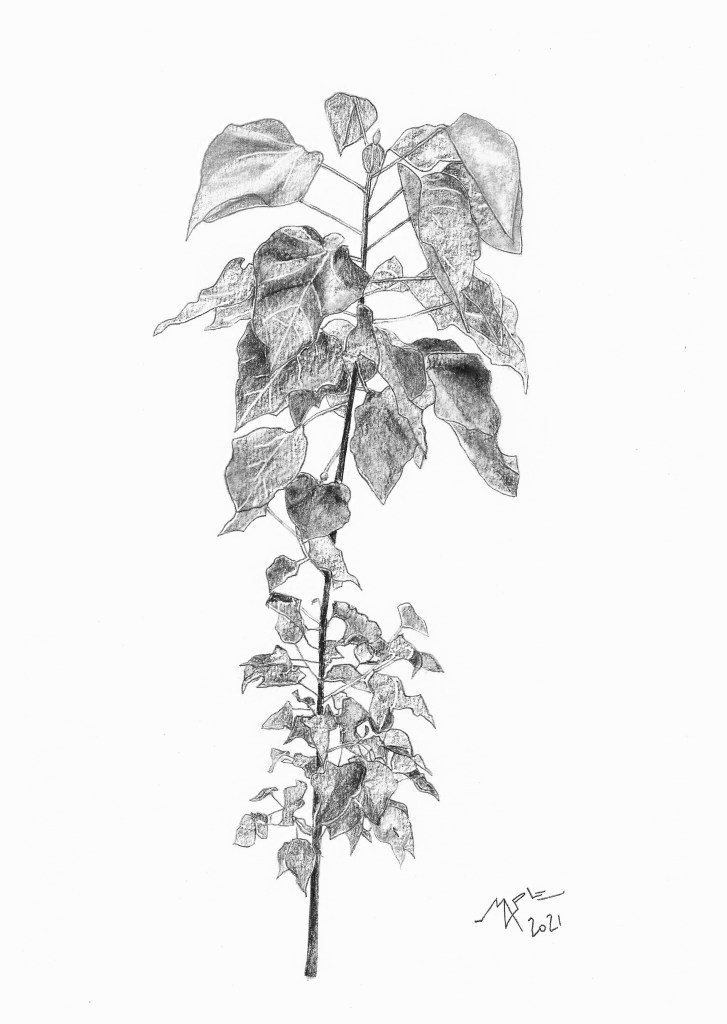
It is a tree of rare beauty, due to the shape of its canopy and the varied tones of its leaves. As they grow, the leaves change color, starting with white, going through many shades of light green and ending in dark green.

Natura Futura 7th Anniversary Celebration !!

What about the tree that you’ve planted, how is it going ?