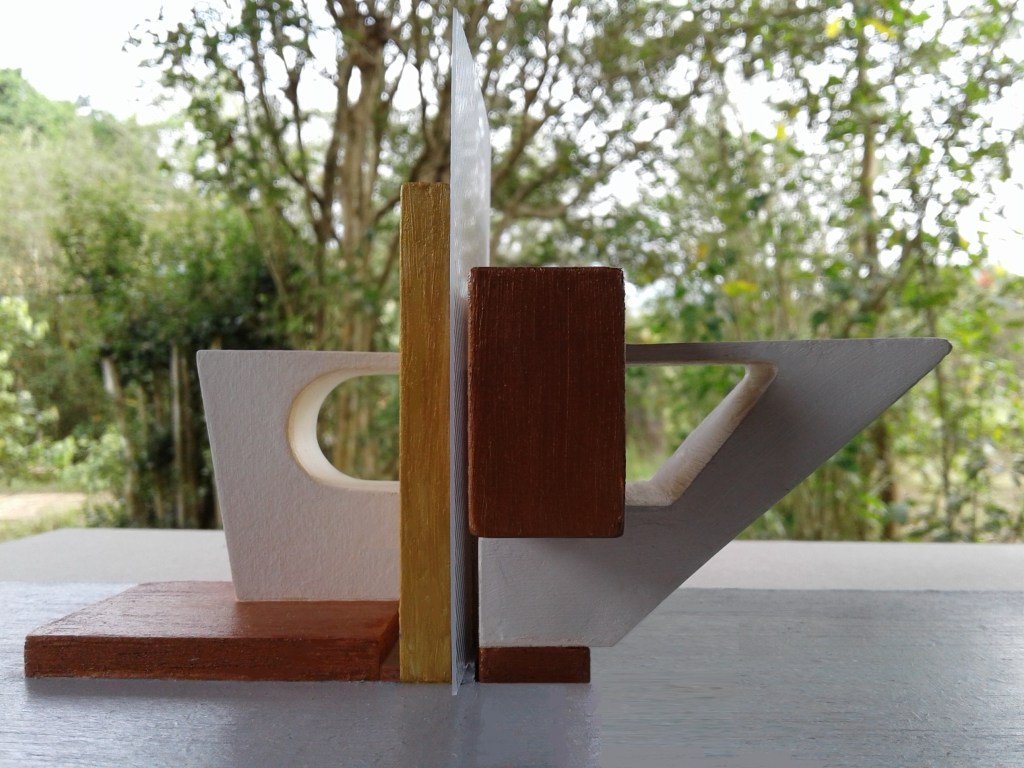
Agility

Site em Português

“Agility”
Scale 1:10

Mixed media
8″ tall
Model for a Sculpture

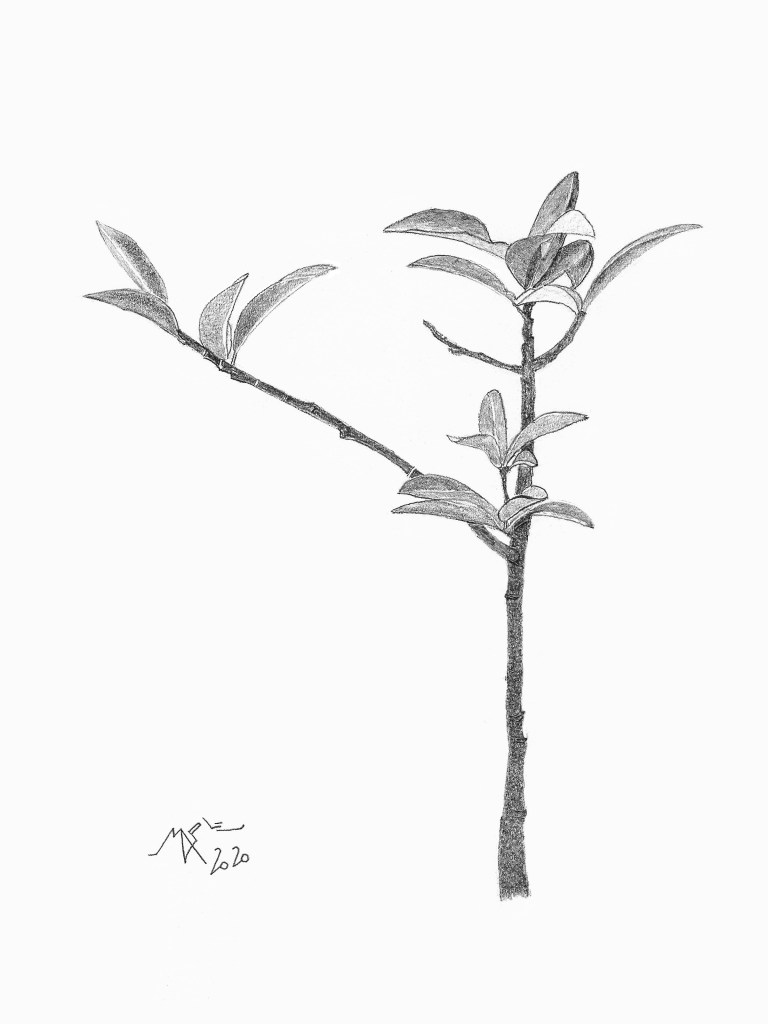
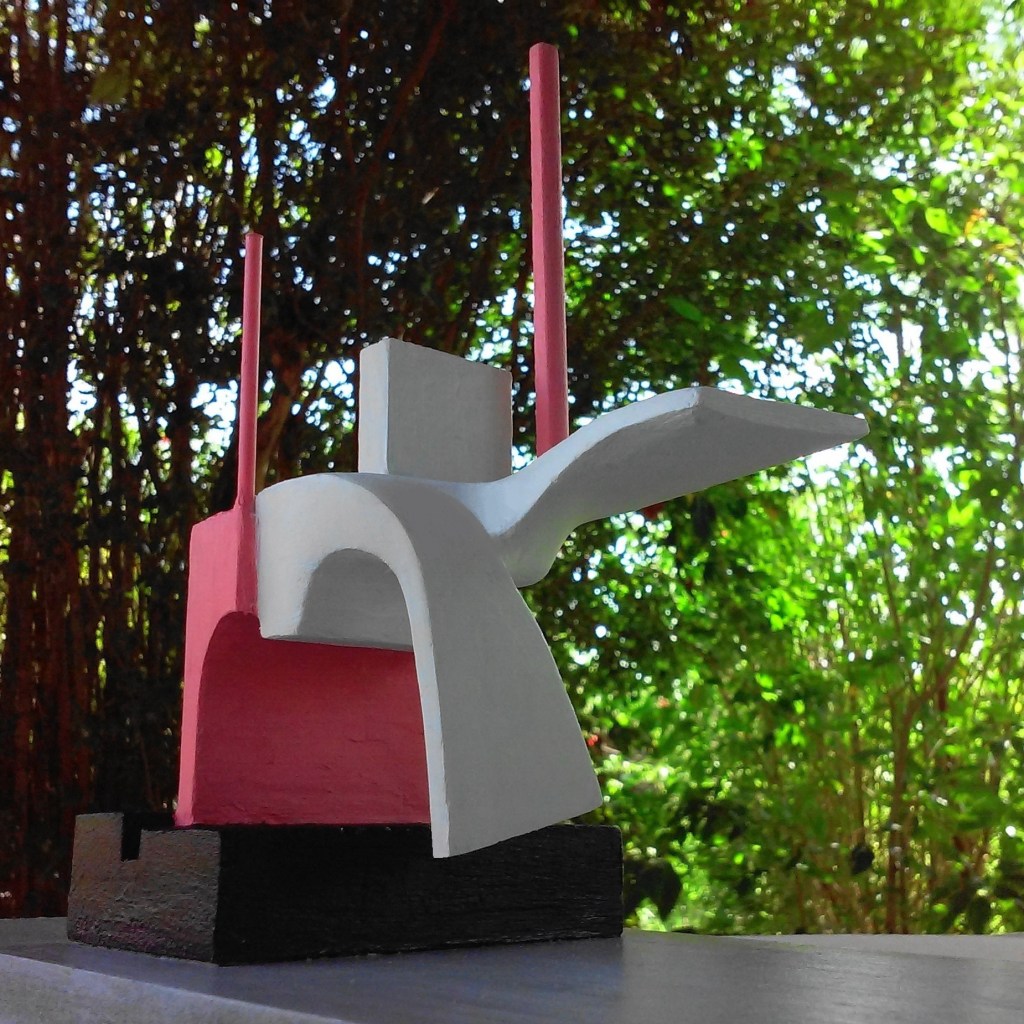
Agility” presents Capororoca

Capororoca is the proposed tree for the third station of the park. Its scientific name is Rapanea ferruginea, and it belongs to the Myrsinaceae family.

The name Capororoca has its origin in “caá y pororog”, expression which means “herb that pops” in the Guarany Indians language.

Since it has small and round fruits, which sprout at the trunk surface, it is also known in Brazil as the olive-of-the-forest.

Its fruits change color, during the maturation process. They go from green to yellowish, later they get a magenta hue, and finally they become black, when they are ripe.

Freedom

Site em Português


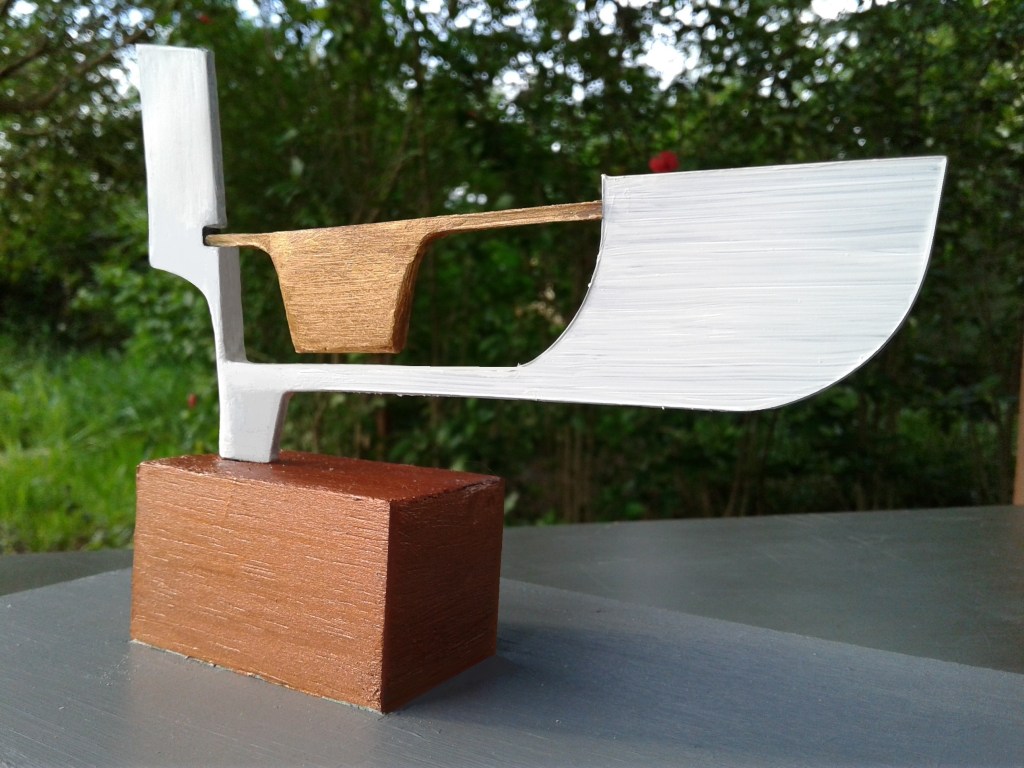
“Freedom”
Scale 1:10

Mixed media 
8″ tall
Model for a Sculpture

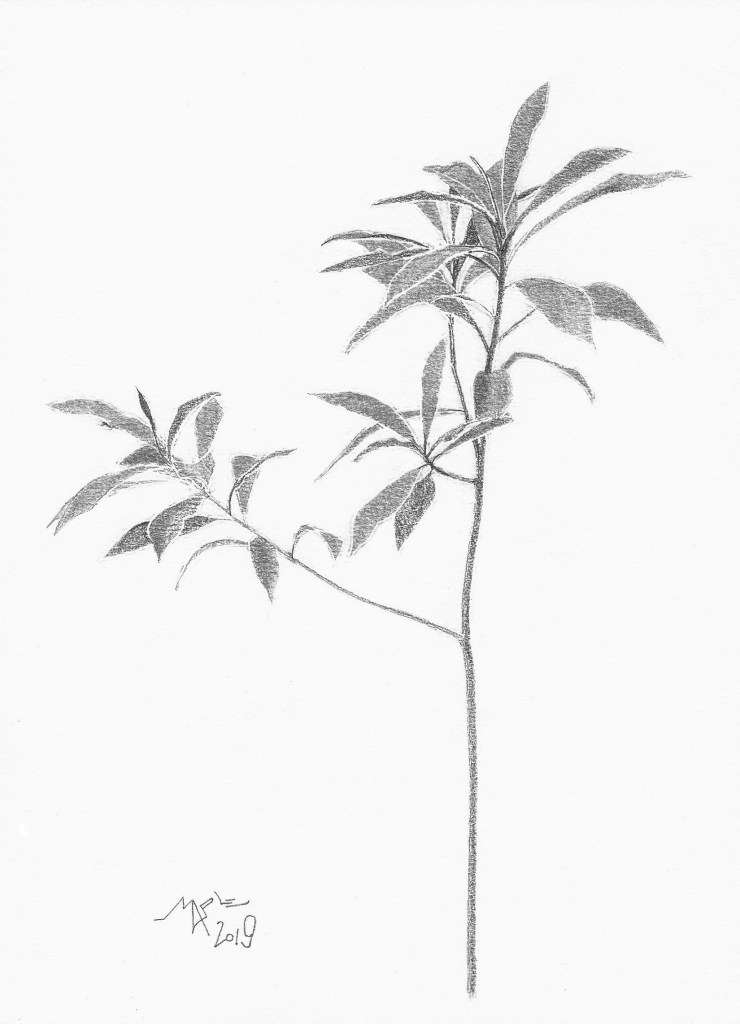
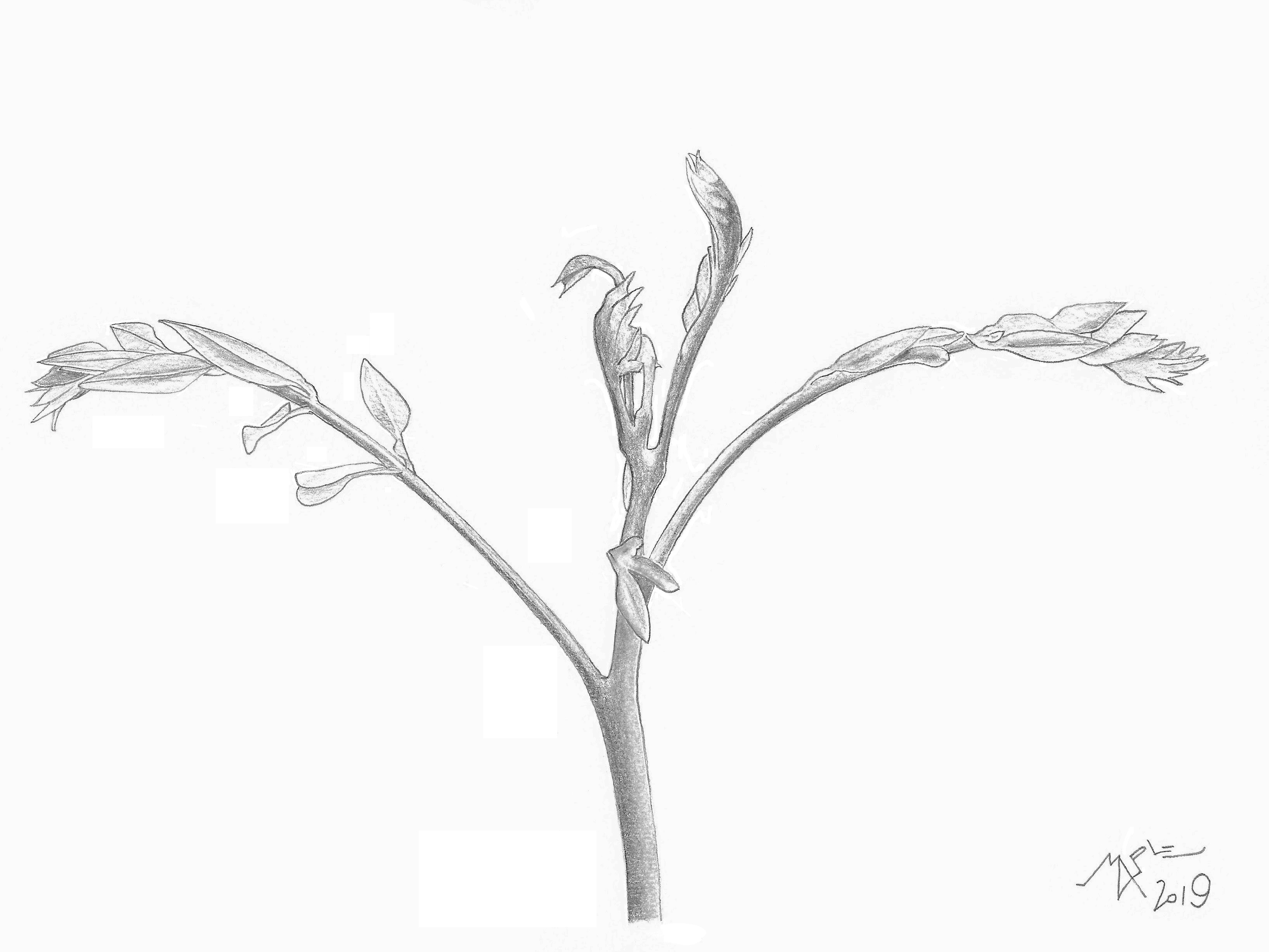
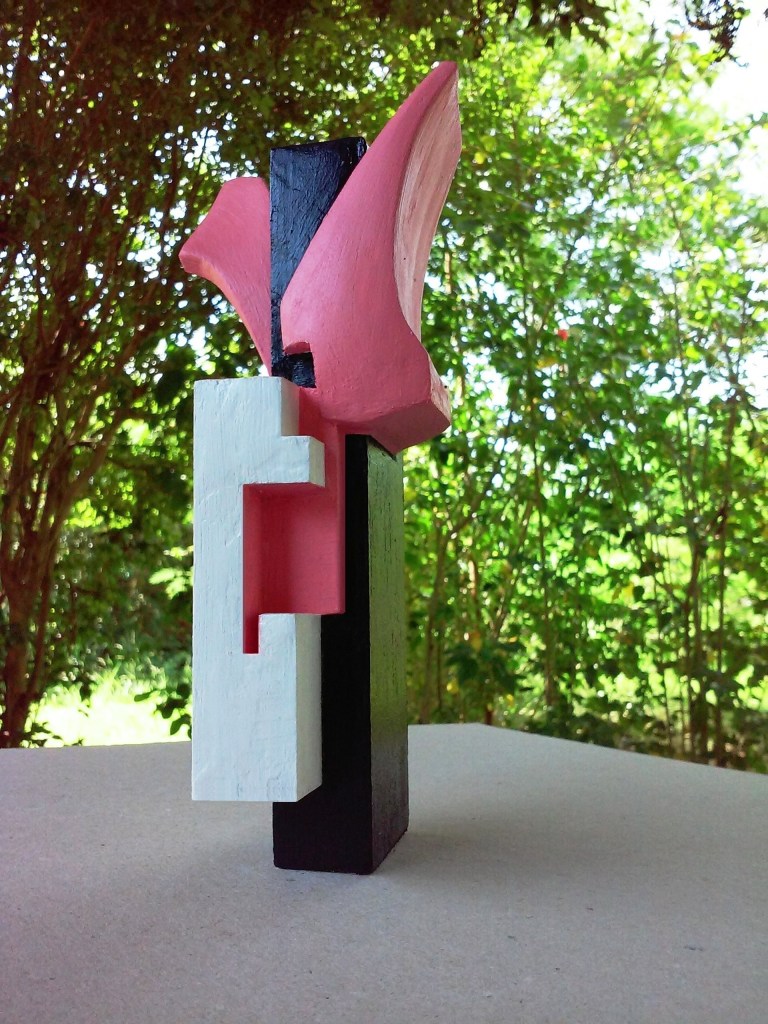
Freedom” presents Timbó

A proposed tree for the park’s second station is Timbó, whose scientific name is Ateleia glazioveana.

The word Ateleia, in ancient Greece, meant a general immunity or exemption from all duties towards the state.

The second word, glazioveana, is a tribute to the French botanist Auguste Glaziou, who lived in Rio de Janeiro, Brazil, in the 1800’s.

The Timbó tree is known as a forerunner species that invades fields. It is never found in the inside of a forest, but sometimes at its borders. Timbó has an aggressive and vigorous character, forming dense settlements of its own species, called Timbozais.

Timbó’s depiction here show the spectacular sprouting of its leaves, inviting our eyes to an awesome ballet of shapes.


Lightness

Site em Português

“Lightness”
Scale 1:10

Mixed media
8″ tall
Model for a Sculpture

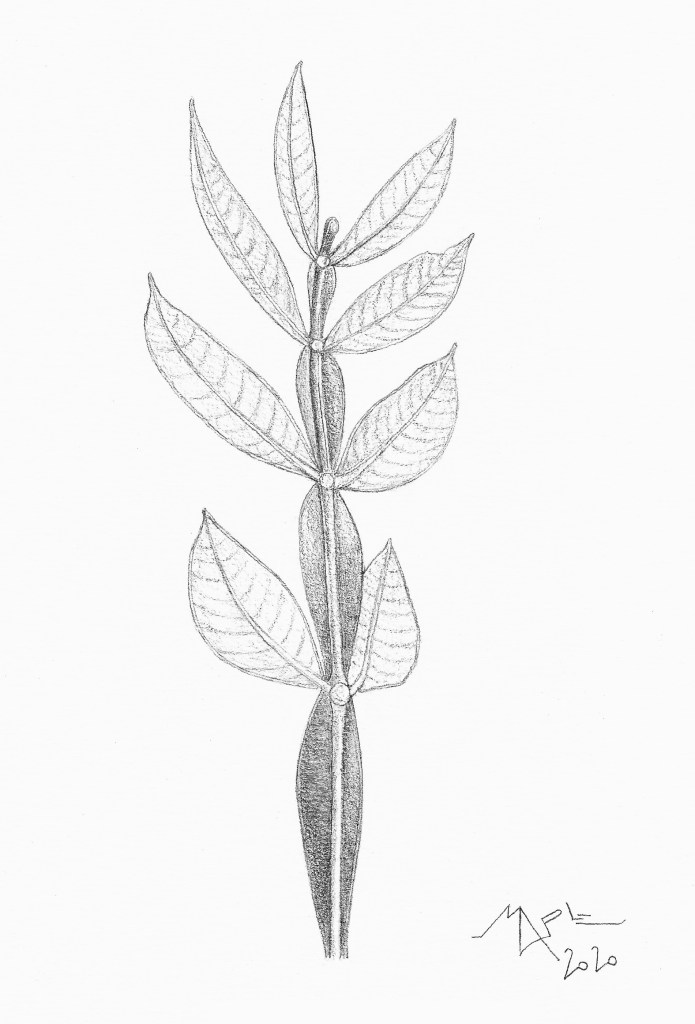
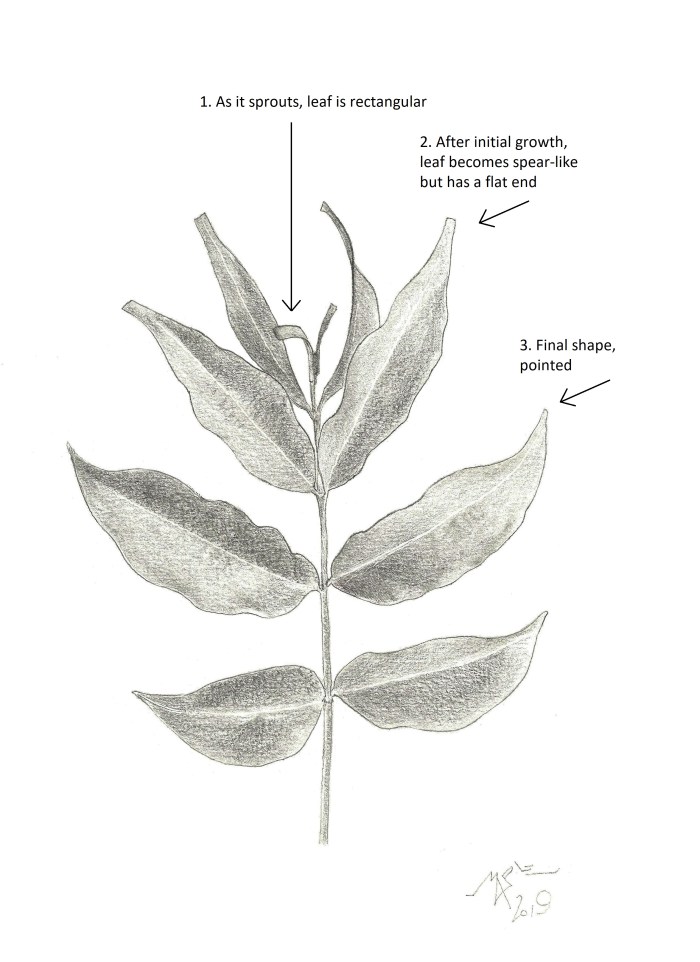
Lightness” presents Mirindiba Rosa

Lightness is the first station of the park to be presented, and Mirindiba-rosa is the tree chosen to surround “Lightness”, the sculpture. Its scientific name is Lafoensia glyptocarpa.

Its leaves have a lanceolate, or spear-like shape, i.e., they become gradually pointed at their extremity.

A curious fact is that, by sprouting at the edge of a branch, the just-sprouted leaves have a nearly rectangular shape. As they grow, the shape becomes truncate (abruptly ending with a flat end). Just as they grow further, they become lanceolate (spear-like).

Nothing like an illustration to help us… According to the chinese saying, a picture is worth thousand words.

About the trees proposed for the park

We start in 2019 a new series of texts about trees, with illustrations. These are the proposed trees for each station of the park, supposed to surround the presented sculptures.

There is a comprehensive, specialized literature regarding each tree, these amazing Oxygen Producing Units (OPU). Entire books where written with their data on planting, growth, maximal height, reproduction and utilization.

Nevertheless, this series of short texts aims to:

  • Comment on what can be observed by any person who approaches the tree
  • Encourage those who live immersed in a technology society to observe plants, trees and flowers
  • Let grow an attitude of regard for Nature, necessary factor for our survival on this planet

The first text, “Lightness presents Mirindiba Rosa” will come along the first station, on April 10th.

Read and get yourself enchanted !

The park as it goes

After six years of texts and proposals for the future nature, we start in this month of April 2019, the presentation of a park project.

Every four months, we will show a sculpture and a tree (a so called station of the park). A short text about the tree and a pencil drawing will follow.

The trees selected to be planted in each of the stations are native species of the Atlantic Forest (Mata Atlantica), a biome situated along the brazilian coast, from the northeast until the southern region.

The sculptures belong to Maple’s Linetracer “Monumentals” collection. Get to know this abstract style at: https://maplelinetracer.wordpress.com/

The figurative drawings, created in the Depicter style, can be found at:
https://mapledepicter.wordpress.com/

“Lightness” is the name of the first station, coming on April 10.

If you liked this project and wish to follow it, you may receive a message about the new stations. Click on the “Follow” button, down, at your right and fill in your data.

Your participation and comments are very important for the success of this project!

I didn’t like trees

In this last text, of a series of twelve, we are going to talk about how people feel. Life experience here on Earth is individual, and the perception of what is good or pleasant for some people may not be the same for others.

Some people feel good in front of a computer screen. They like shopping malls, electronics stores, and use to buy and use all kind of technological gizmos as soon as they are released in the market. At home, have no pets nor plants or flowers in vessels and consider this absolutely normal.

Others live surrounded by all kinds of pets, cultivate various plants even inside apartments and prefer to visit parks or green areas whenever possible. They also use the latest technology, but at second instance. To be in touch with nature comes in first place for them.

Both behaviors are socially accepted, and when someone says: “I don’t like trees”, we say that this is a matter of choice and that “there is nothing wrong with that”. This attitude may lead someone to put down a tree, just to be exempted to take care of it. Someone could have asked: why be forced to take care of something that you don’t like?

It is an absurdity “to force” a person to like something or someone. It remains to show that respect attitudes towards Nature and environment are necessary for the survival of the human species, in the long run. Trees provide us with oxygen to breathe, and the food that keep us alive comes from plants and animals that we cultivate or process.

This means it is necessary to create an awareness that human beings are part of Nature and depend on Nature to survive !

The tree was old

It is amazing how human beings can find excuses for everything. Case in point is a person who puts down a magnificent tree in an urban lot, stating that it was old.

In a forest, old trees fall and may cause damage to other trees and animals below them. In the cities, happens the same. It is not rare to see a fallen tree in an avenue, for example. This could happen in the middle of the night, even in the absence of winds or rain, and hurt no one. It is a matter of chance.

Urban planning, including the choice of appropriate trees species and a systematic control of existing trees are means to minimize the occurrence of a tree fall due to its age. This is feasible and can be done by municipal authorities or non-governmental organizations (NGO).

The purpose of this text, however, is to point out the habit of stating lame excuses to cut a tree. A person is paid to put down a tree, so the owner of the lot gets rid of a “inconvenience”, which he or she considers to be an obstacle to the sale of the property. Any excuse could have been used.

When a tree gets in fact “old”, it is acceptable putting it down if it becomes a threat, even in a private lot. No one is questioning the physical safety issue. But anyone who cares about Nature and is aware of the benefits brought by an OPU (Oxygen Producing Unit), would immediately have planted a young tree to replace the old one.

It was not a native tree

Among the many alleged reasons to put down a tree, this is perhaps the most bizarre one. It is a human determination; it just disregards the right to existence of the tree itself. Nobody asks to be born, neither choses a place of birth nor a social class. This is true also for trees.

There are many examples of non-native trees in Brazil. The avocado tree is native to Mexico. Mango tree comes from India. The apple tree has its origin in Central Asia. The Christmas Pine-Tree was brought to Brazil from conifer forests in the northern hemisphere. And so it goes…

In Nature, the dispersion of species may occur in several ways. Seeds are spread by the wind. Rivers and seas transport plants and animals from one place to the other. And due to their self-motion, animals carry with them diverse species to other localities.

We, human beings, besides having this self-motion, have also fascination, curiosity and economical drive acting on us. This is how, in a time of slight or non-existing ecological awareness, European settlers intensified the introduction of species coming from other regions of the planet to America.

To carry a species to a new locality sometimes generate ominous or undesired consequences. Case in point is the Nile Perch in Lake Victoria, in Africa, or the arrival of the first rabbits in Australia. But these issues not always occur, and new species adapt favorably to environments where they were brought to.

It would be insane to repatriate all species in this world to their original habitats. Nature is a mutant process and adaptation of species belongs to it. The presence of non-native species in a biome can be rationally controlled in order to avoid unbalance; however its sheer decimation contradicts Nature’s supreme principle, which is the preservation of life.

The tree occupied too much space in the sidewalk

Once more we talk about urban planning. Sidewalks are lanes where pedestrians walk. These lanes’ paving is expected not to be cracked, uneven, or slippery. They should not have any obstacle that might hinder the passage or put people’s safety at risk.

This is the ideal picture for a sidewalk. There are manuals and specific norms for sidewalks, which vary from city to city around the world. Not always these rules are followed, and it is a common thing in Brazil to find electricity poles placed in the middle of sidewalks, forcing pedestrians to step down to the street.

Hardly ever electricity poles are removed, due to their size and weight. But what if the obstacle is a tree? They may be high as electricity poles and may have grown right in the middle of a sidewalk, too. Once again, they will have no right to defense, if someone just wants to cut them down. And by removing a tree from an urban sidewalk, we will have one less OPU (Oxygen Producing Unit) in the city. Sad reality.

A solution meant to solve this problem is urban planning, focused on each city block, on every inch of a sidewalk. To make this proposal real, it is enough to say that the involvement of sidewalks users, especially dwellers and estate owners of the city block, is essential.

Before planting trees on sidewalks, the choice of the appropriate species is crucial. Some trees have roots that spread above the ground and may hinder the flow of pedestrians. Another important item is the distance from the corners (desirable 9ft 10in), since bulky branches, as they grow, may interfere in the traffic of vehicles while turning the corner.

Mother Nature counts on you !

After 30 presented texts, the section
“The thirtieth: Time to remember”
says its farewell to the reader in this month of December 2018.

To you, who followed this section, congratulations !
You had the opportunity to get in contact with the basics of the environmental issue in the 21st Century.

For those who are new with these texts, they are an invitation for more knowledge. The basic presented stuff will give you a clearer understanding, when following the environmental headlines on newspaper, TV or Internet.

Remember that the international community and the newly elected Brazilian government are announcing changes related to the Amazon region for 2019. Follow the news on this biome, show to others your opinion about and interact!

Be proactive: Mother Nature counts on you !