

Category: The Park
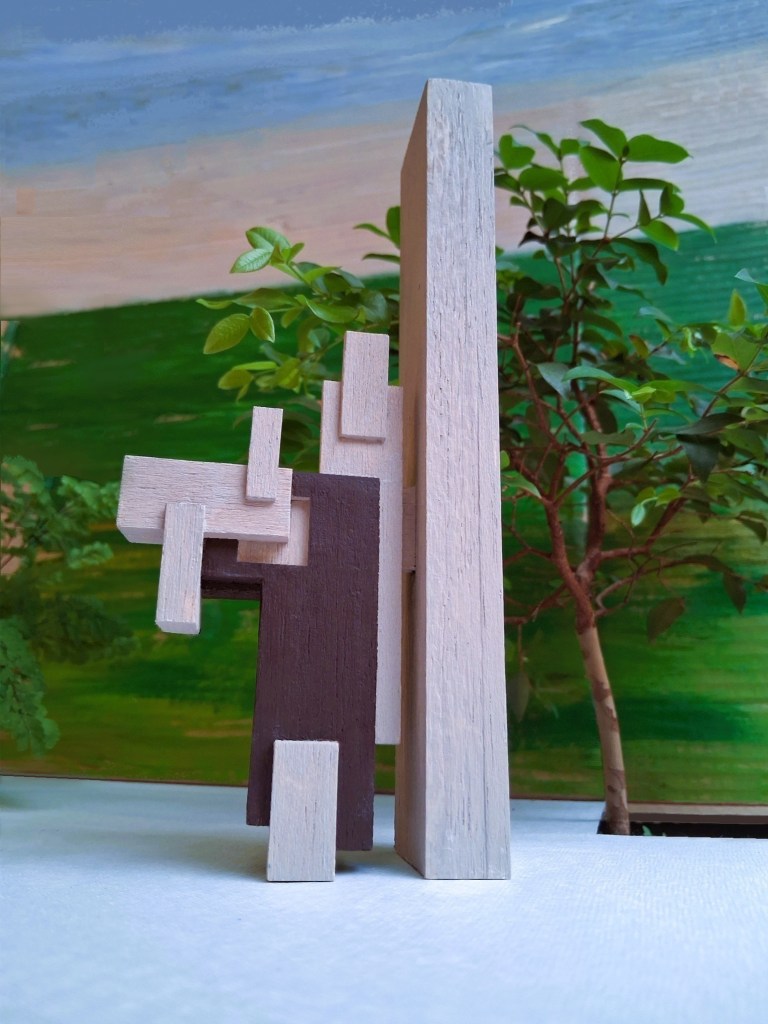

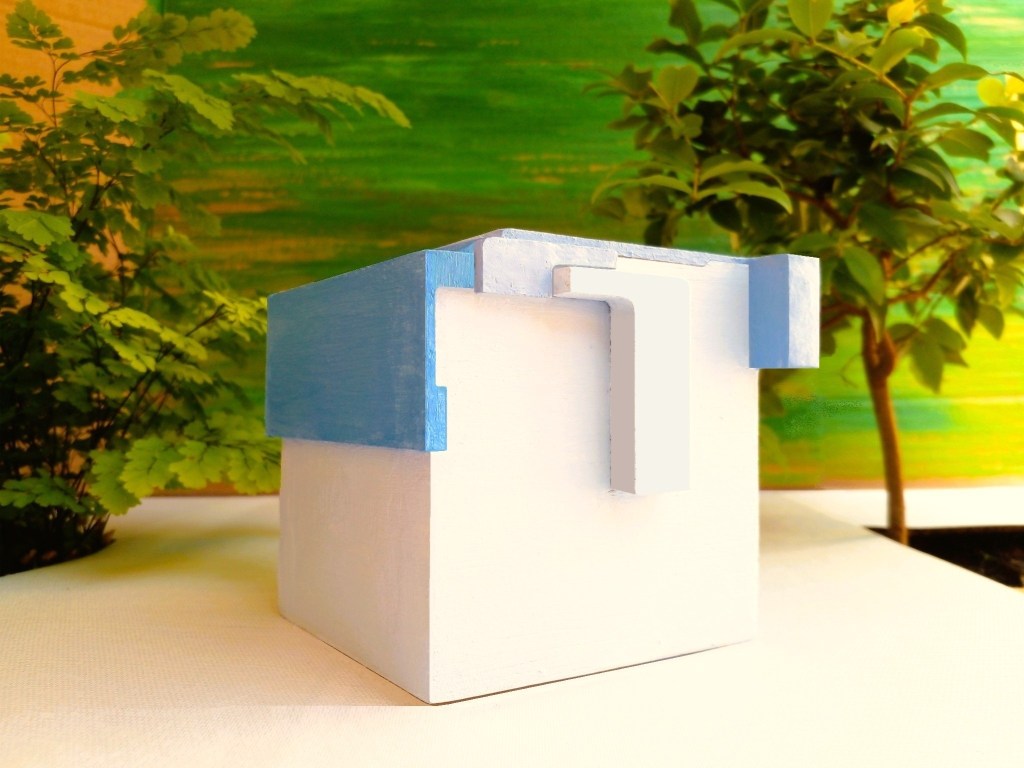
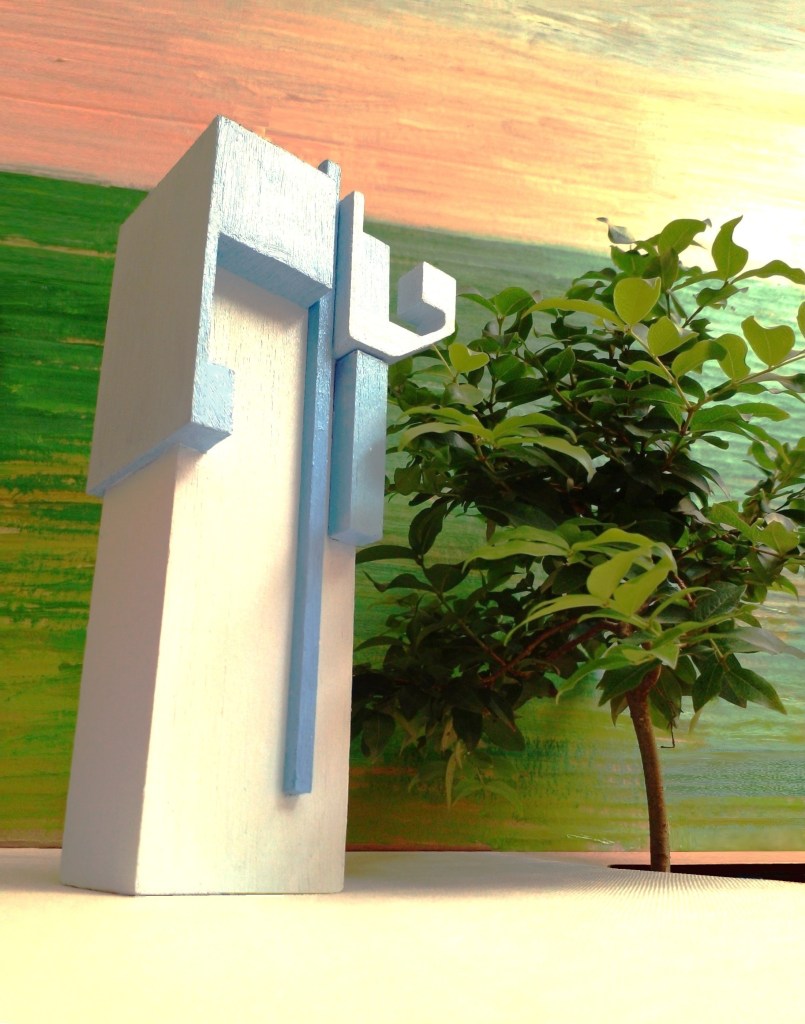
We will now present a new series of sculptures.
They will show up in the coming months, each one carrying a name related to the human psyche.
Enjoy !
Our first texts were published in 2013. In 2016, this website, naturafutura.org, was created, and in 2019 we began to publish the Park Project.
After six years (2019-2025), this project ends its online publishing phase. The next step will be to transform this twelve-year experience into a book.
The planting and our care for the trees of the Atlantic Forest continue. And a new park project is being developed, this time to be presented also in book format.
We hope that this work has been valuable to you, who have followed us through all these years. Our thanks and best wishes for success in your experience of protecting and loving Nature !
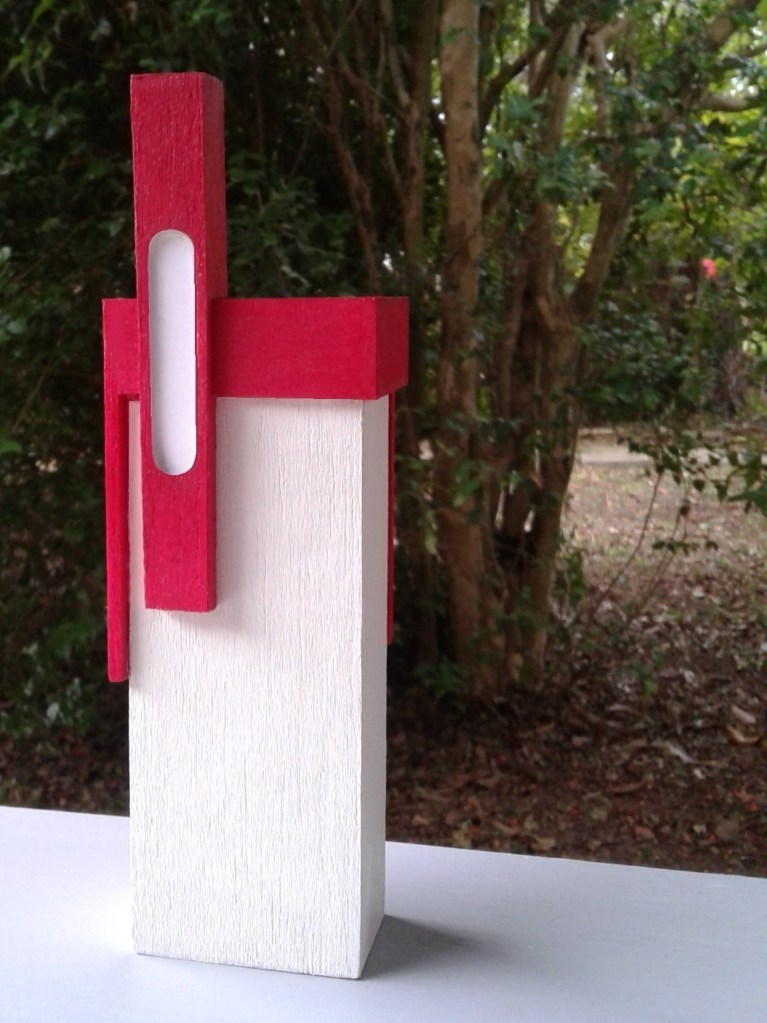

“Health” presents Cambuci
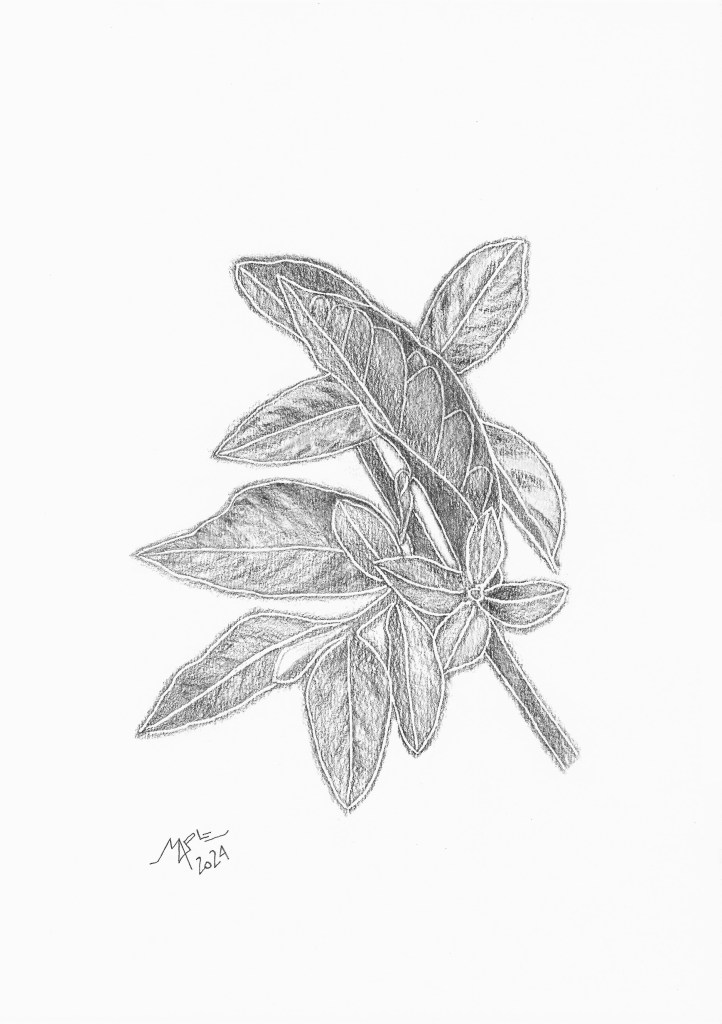
Cambuci is the proposed tree for the eighteenth station of the park. Its scientific name is Campomanesia phaea. It belongs to the Myrtaceae family, the same family as pitanga, guava and jabuticaba trees.
The shape of its fruits resembles a ceramic pot, whose name in the Tupi language is cambuci.
Also called Cambucizeiro, Cambuci is a tree native to the Atlantic Forest, currently found in Serra do Mar (the mountain range near the Atlantic Sea), in the State of São Paulo, and in Teresópolis, State of Rio de Janeiro, Brazil.
It grows 3 to 5 m (10 to 16 feet) in height, and its trunk reaches 20 to 30 cm (8 to 12 inches) in diameter.
Its fruits, which ripen in January to March, have an acidic flavor, similar to lemon. They are used in cooking to prepare juices, jellies, ice creams and flavorings in alcoholic beverages.
The cambuci fruit is rich in vitamin C, vitamin A and B vitamins, as well as containing iron and antioxidants. Its consumption has therapeutic effects, beneficial in treating respiratory diseases, fighting premature aging and cholesterol, and strengthening the immune system.
“Good Will” presents Copaiba
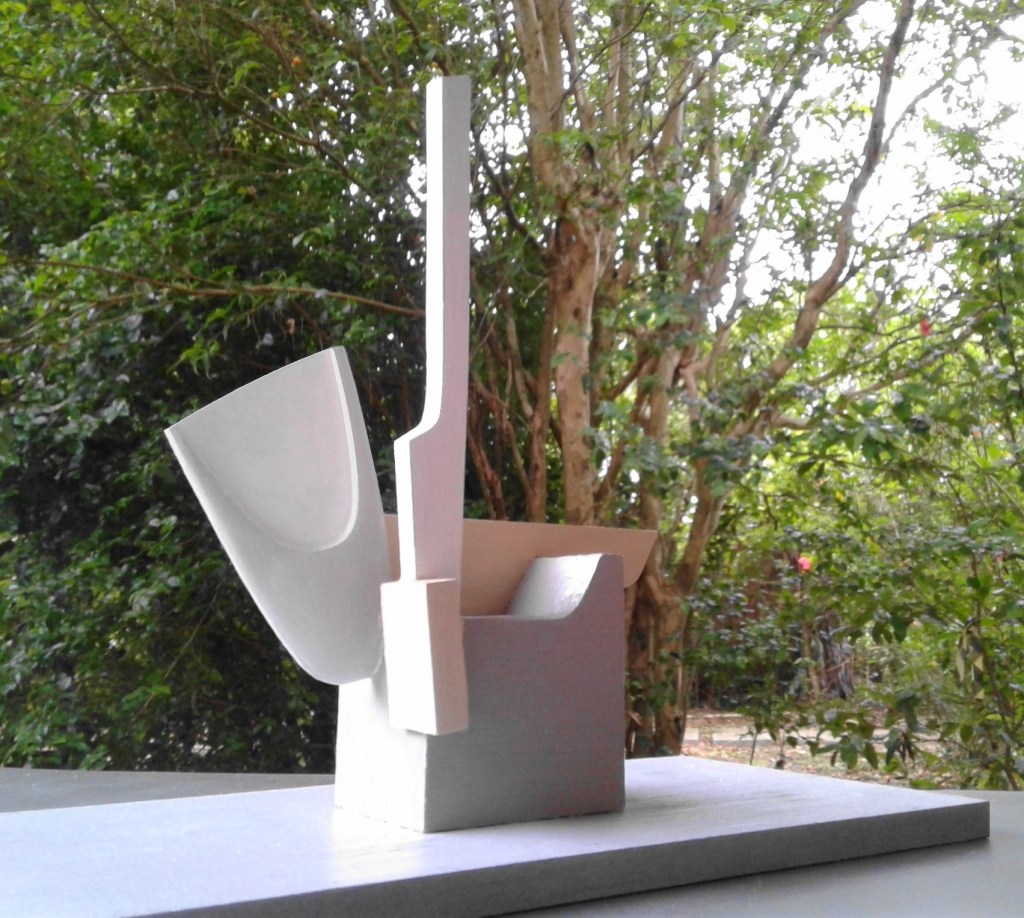
Copaiba is the tree proposed for the seventeenth station of the park. Its binomial name is Copaifera langsdorffii. It belongs to the Fabaceae family, the same family as the already mentioned Cabreuva, Sibipiruna, Inga do Brejo and Brazilwood.
Its name comes from the Tupi language (kupa’iwa) and it is popularly known as copaibeira or pau-de-oleo (oilwood). It is a tree native to the Brazilian biomes of the Atlantic Forest, Amazon and Cerrado. It also occurs in Argentina, Bolivia and Paraguay.
It grows from 5 to 35 meters (16 to 114 feet) in height, and its trunk is cylindrical and curved. Its foliage is initially light pink in color, turning red in the spring.
Its wood, also red, is highly resistant and used in carpentry and civil construction.
Copaiba oil is used in folk medicine in the Amazon as an expectorant and antiseptic, and also in the treatment of skin diseases such as eczema and dermatitis. Filtered, its oil can be used as biodiesel (automobile fuel).


“Patience” presents the Purple Glory Tree
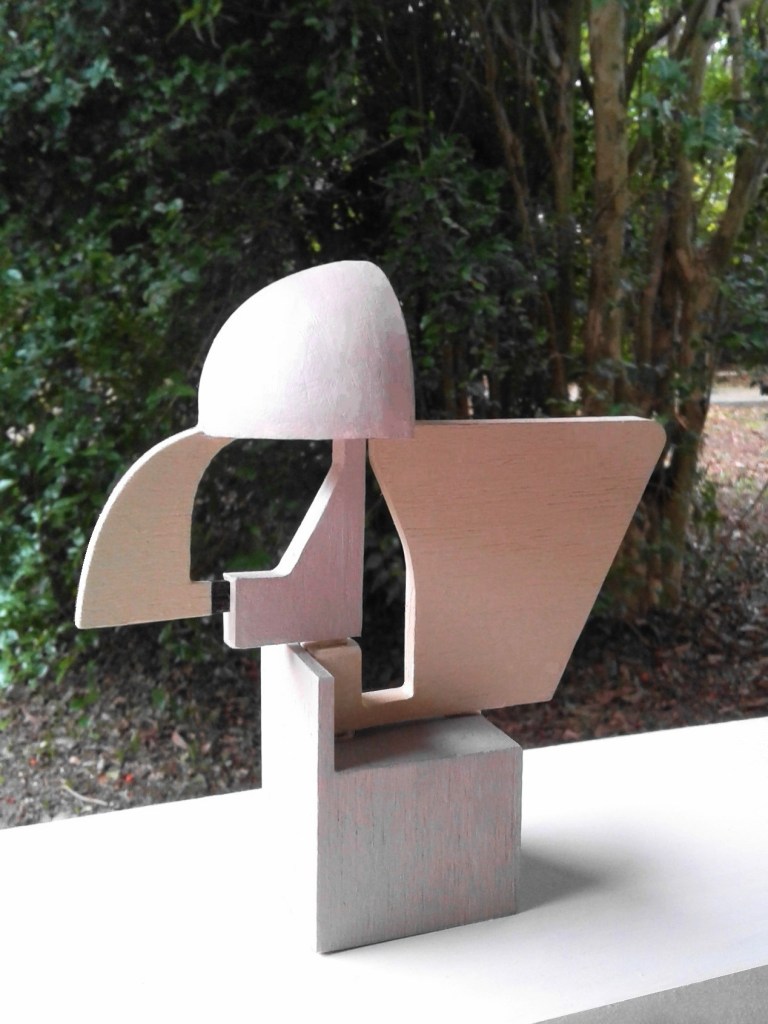
Purple Glory is the tree proposed for the sixteenth station of the park. Its binomial name is Tibouchina granulosa. It belongs to the Melastomataceae family.
Its name in portuguese (Quaresmeira, i.e. “of Lent”) comes from the fact that it blooms from January to April, coinciding with the Christian Lent period. In addition, its flowers are purple, a color associated with the Passion of Christ. Therefore this reference also in its english name.
The Purple Glory Tree is a pioneer species. It occurs mainly in the Atlantic Forest of the brazilian State of Bahia and southeastern Brazil, and also in gallery forests of the cerrado biome.
It is a medium-sized tree and can reach 8 to 12 meters (26 to 40 feet) in height. The diameter of its trunk can measure between 30 and 40 cm (12 to 16 inches). Its lifespan is around 70 years.
Its fruits, hard and dry, are brown and cup shaped. They measure around 1 cm (0.4 inch) in diameter.
The tree leaves are elliptical in shape and have a hairy texture, which means they feel somewhat rough when touched.
Its wood, which is of low quality and quite light, is used to make rafters, posts, crates and toys.
Because it grows quickly, it provides shade for native species to develop and is recommended for the recovery of deforested areas.
Common in urban areas of the southeast of Brazil, the Purple Glory Tree forms a dense canopy, which gives it an unparalleled beauty.
Eleven years has passed since the first text from Natura Futura was published and five years have passed since the Park Project was presented, back in April 2019.
The Project keeps going, with “Patience” being its 16th station. The trees planted in this time frame are being cared for and new plants are planned to be planted in the future.
Natura Futura is alive and well, working on the field. We propose you join this initiative by telling online your experience with trees. Use this space to share your experience with the trees you have planted and your effort to take care of them !

“Well-Being” presents Guanandi
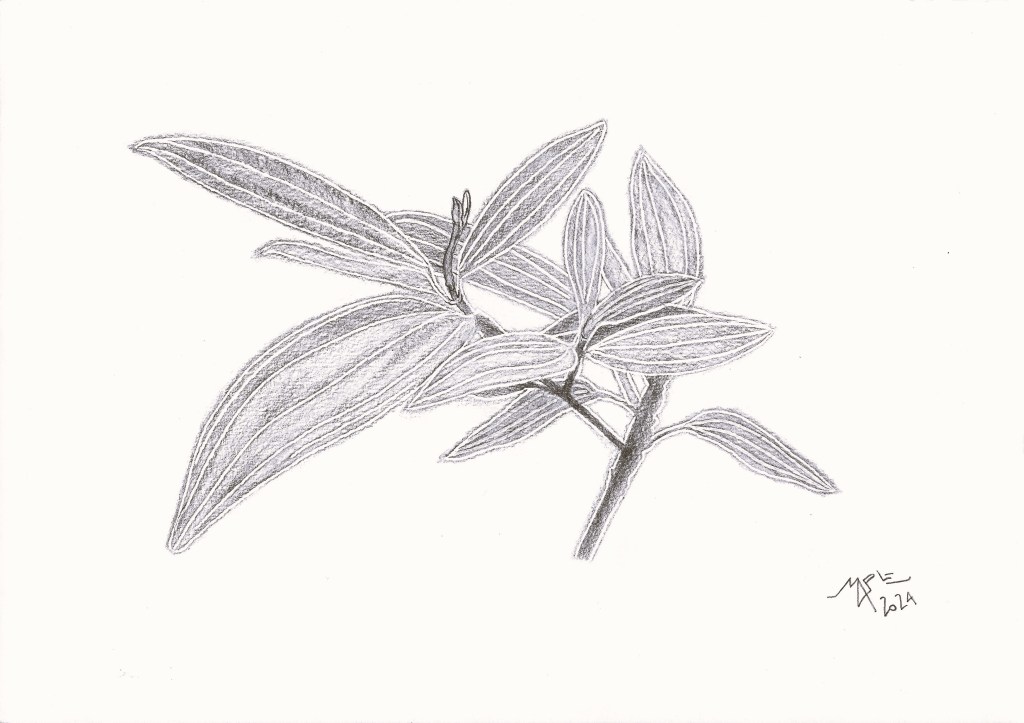
Guanandi is the proposed tree for the fifteenth station of the park. Its binomial name is Calophyllum brasiliense Cambess. It belongs to the Calophyllaceae family.
It is known by several popular names:
casca-d’anta (tapir peel)
cedro-do-pântano (swamp cedar)
cedro-do-mangue (mangrove cedar)
galandim
guanambi
guanambi-carvalho (oak guanambi)
guanambi-cedro (cedar guanambi)
guanambi-landim
guanambi-de-leite (milk guanambi)
guanambi-vermelho (red guanambi)
golandim
guanandi (named in the southwest of Brazil)
guanandi-amarelo (yellow guanandi)
guanandi-do-brejo (swamp guanandi)
guanandi-carvalho (oak guanandi)
guanandi-cedro (cedar guanandi)
guanandi-da-praia (beach guanandi)
guanandi-jaca (jackfruit guanandi)
guanandi-landim
guanandi-landium
guanandi-lombriga (worm guanandi)
guanandi-piolho (lice guanandi)
guanandi-poca
guanandirana
guanandi-rosa (pink guanandi)
guanandi-vermelho (red guanandi)
guanantim
gulande
gulande-carvalho (oak gulande)
gulandi
gulandi-carvalho (oak gulandi)
gulandin
gulandium
gulanvin-cavalo (gulanvin-horse)
iarairandira
inglês (english)
irá-iandi
jacareaba
jacareíba
jacareúba (named in the Amazon region)
jacareúba-guanadilandium
jacareúba-guanani
jacare-uba
jacarioba
jacariúba
jacurandi
landi
landi-carvalho (oak landi)
landi-do-brejo (swamp landi)
landi-jacareíba
landim (named in the Amazon region)
landim-do-brejo (swamp landim)
landim-jacareúba
landinho (small landi)
landium
landium-do-brejo (swamp landium)
landium-jacareíba
lantim
maria (Mary)
oanandi
oanandim
olandi
olandi-carvalho (oak olandi)
olandim
olando-carvalho (oak olando)
pau-de-azeite (olivewood)
pau-de-maria (Mary’s wood)
pau-de-santa-maria (St. Mary’s wood)
pau-sândalo (sandalwood)
pindaíba
pindaíva
santa-maria (St. Mary)
uaiandi
uá-iandi
uáiandi
urandi
The word “Guanandi” comes from the Tupi language and means “fruit with sticky gum”. It is native to the Amazon, Cerrado and Atlantic Forest biomes of Brazil. The latex in its bark is used to produce landim balm, which has medicinal uses, such as healing (i.e., helping the growth of a new tissue that forms over a wound).
It is a tree that grows up to 30 meters (98 feet), with a trunk that can reach 60 cm (23 inches) in diameter. Its wood, considered hardwood, was widely used in the construction of ships during the Brazilian imperial period.
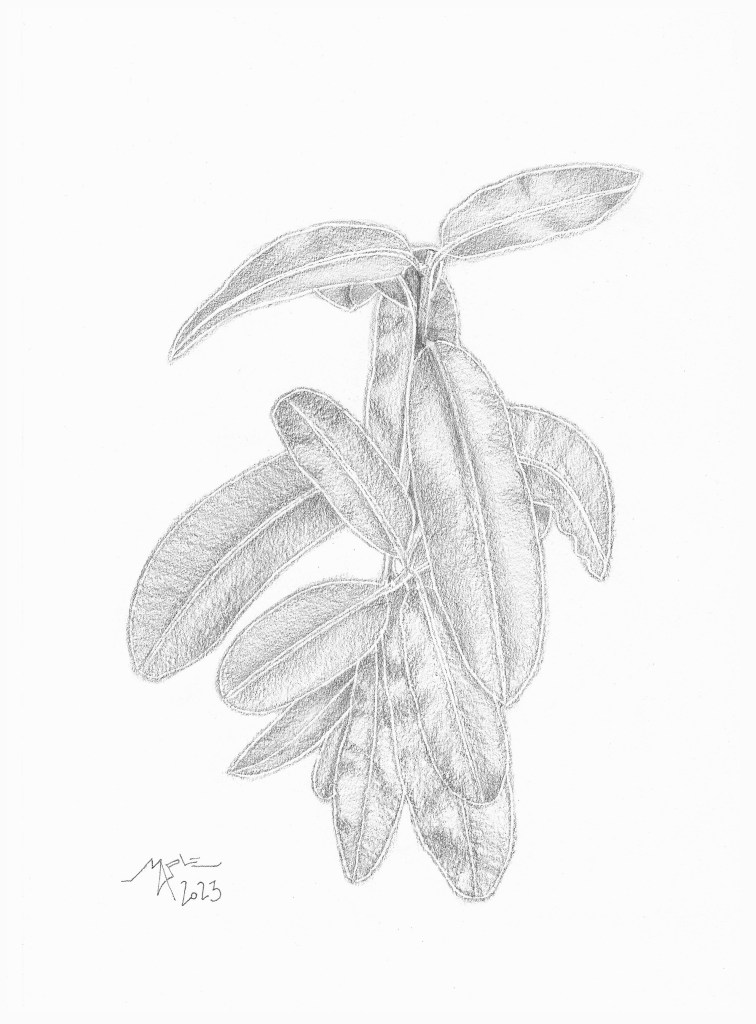
Its flowers are white and bloom from September to November. Its leaves have a characteristic light green surface and are intersected by a charming dark green central line.
 Natura Futura