
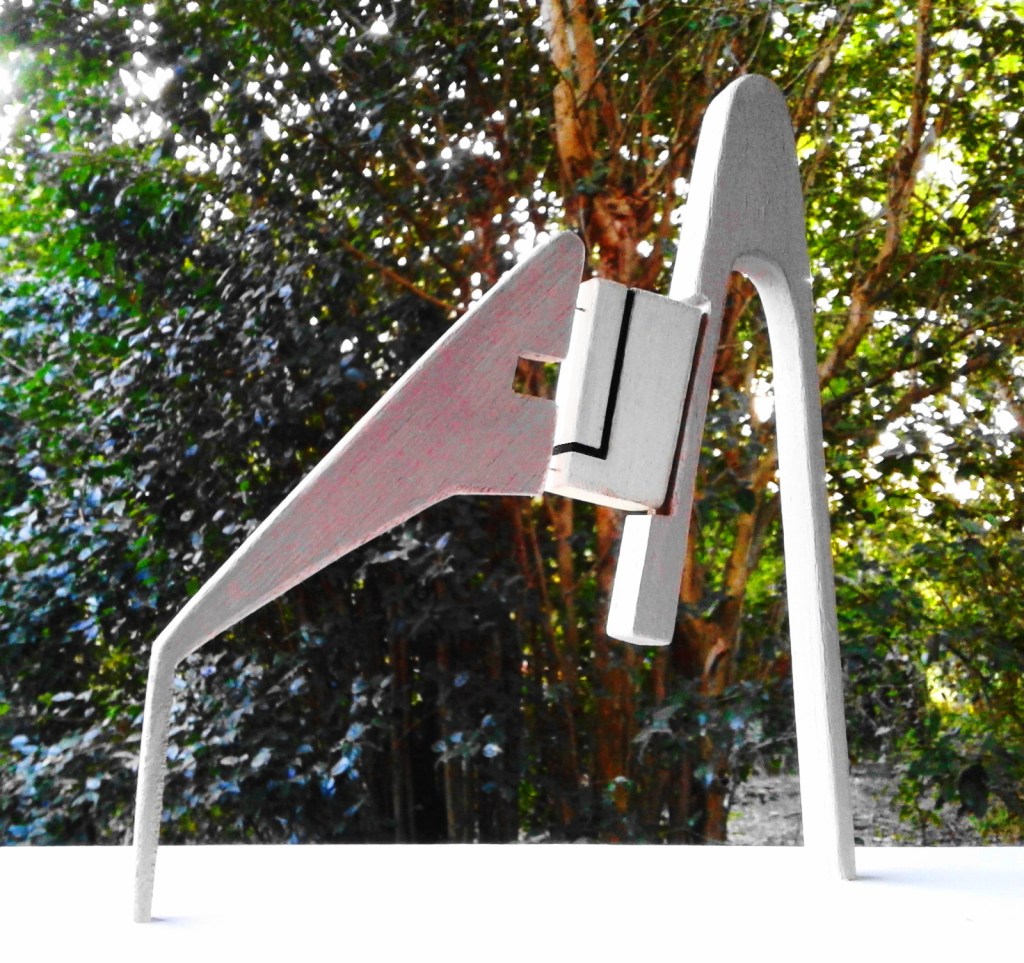

“Knowledge” presents Café de Bugre
Café de Bugre is the proposed tree for the fourteenth station of the park. Its scientific name is Cordia salicifolia. It belongs to the Boraginaceae family.
Cordia salicifolia is also known as Cordia digynia or Cordia coffeoides and has the following popular names:
porangaba
bugrinho (little bugre)
café-do-mato (wild coffee)
cafezinho-do-mato (small, wild coffee)
café-de-bugre (Brazilian indians’ coffee)
chá-de-frade (friar’s tea)
claraíba
louro do mato (wild laurel)
The name Porangaba comes from the Guarani language and means “fruit with reddish pulp”. Its fruits are reminiscent of the fruits of the coffee tree, and bugre is an old European reference to the indigenous people of Brazil. Hence the name Café de Bugre.
It occurs in the Atlantic Forest, from the northeast to the south of Brazil, and in Paraguay. Its height is between 8 and 12 meters (26 to 39 feet), even reaching 20 meters (65 feet) in forests. The diameter of its trunk reaches between 30 and 40 cm (12 to 16 inches).
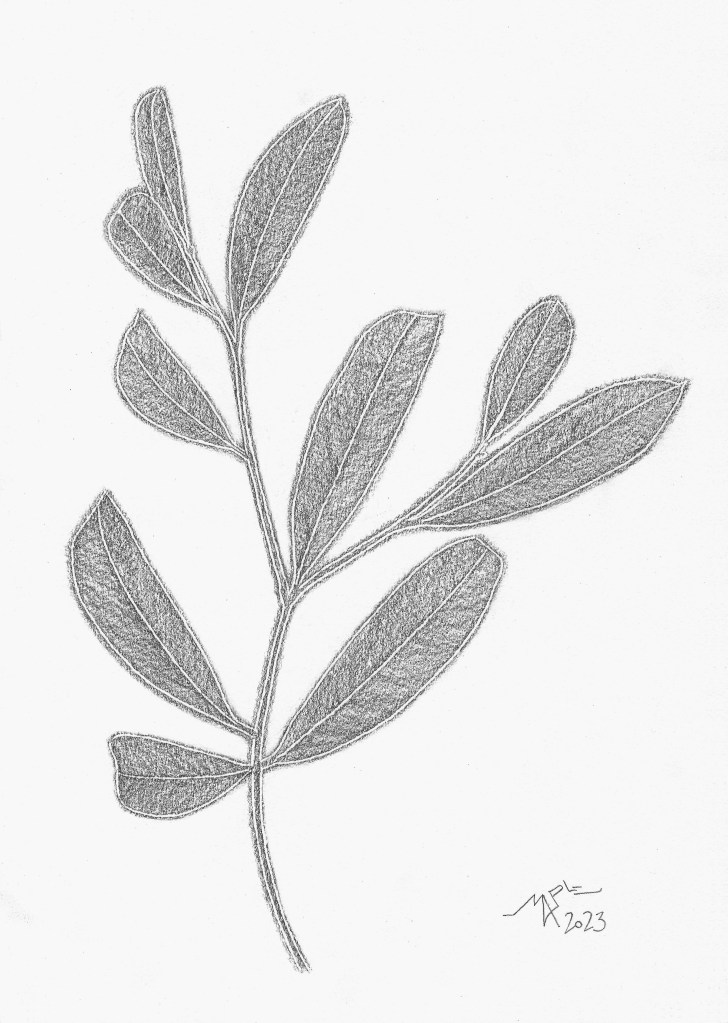
Its wood is soft and compact, but not very durable. Its flowers are melliferous and its fruits are red, with a taste similar to persimmon. Its leaves, which measure between 8 and 14 cm (3 to 5 inches), have a very expressive and elegant shape.

 Natura Futura