
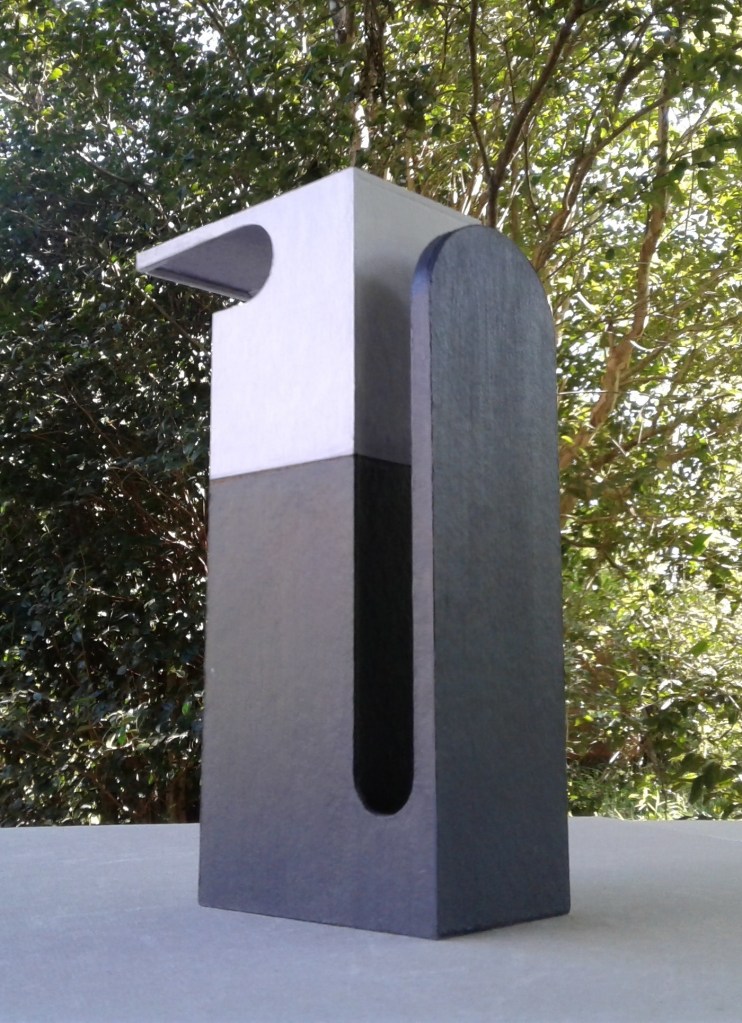

“Courage” presents Aroeira
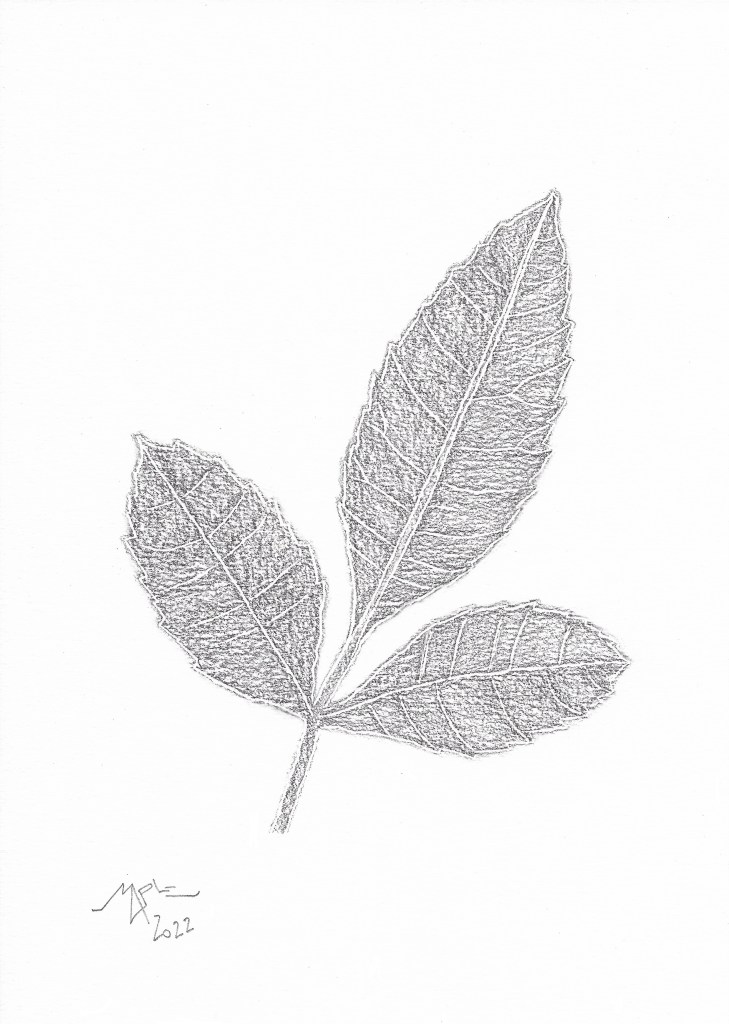
Aroeira is the proposed tree for the eleventh station of the park. Its scientific name is Schinus terebinthifolia and it belongs to the Anacardiaceae family.
Native to the brazilian atlantic forest, this tree is also known in the USA. Actually it has been introduced to Hawaii, Texas, California, Arizona, Nevada, Louisiana and Florida. Therefore there is more available information about it in english.
These are the most common popular names in english:
aroeira
Brazilian peppertree
rose pepper
broadleaved pepper tree
wilelaiki (or wililaiki)
Christmas berry tree
Florida holly
While these are the popular names in Brazil:
aguaraíba
aroeira
aroeira-branca (white aroeira)
aroeira-da-praia (beach aroeira)
aroeira-do-brejo (swamp aroeira)
aroeira-do-campo (field aroeira)
aroeira-do-paraná (paraná aroeira, while Paraná is a brazilian state)
aroeira-do-sertão (backwoods aroeira)
aroeira-mansa (meek aroeira)
aroeira-negra (black aroeira)
aroeira-pimenteira (pepper aroeira)
aroeira-precoce (precocious aroeira)
aroeira-vermelha (red aroeira)
aroerinha-do-iguapé (iguapé aroeira)
bálsamo (balm)
cabuí
cambuí
coração-de-bugre (Indian heart)
fruto-de-raposa (fox fruit)
fruto-de-sabiá (sabiá fruit, while sabiá is a bird)
The aroeira tree reaches a height of 16 to 32 feet, and its trunk reaches a diameter of 11,8 to 23,6 inches. Its flowers are small and whitish, and its fruits, also small, are bright red.
Its wood is heavy and soft, and is used in posts and also as firewood and charcoal. Its bark is used in leather tanning and fishing nets. Its fruits are used in cooking as a spice.
When pruned, it can release multiple branches simultaneously, which gives it an unique ornamental beauty.

 Natura Futura