
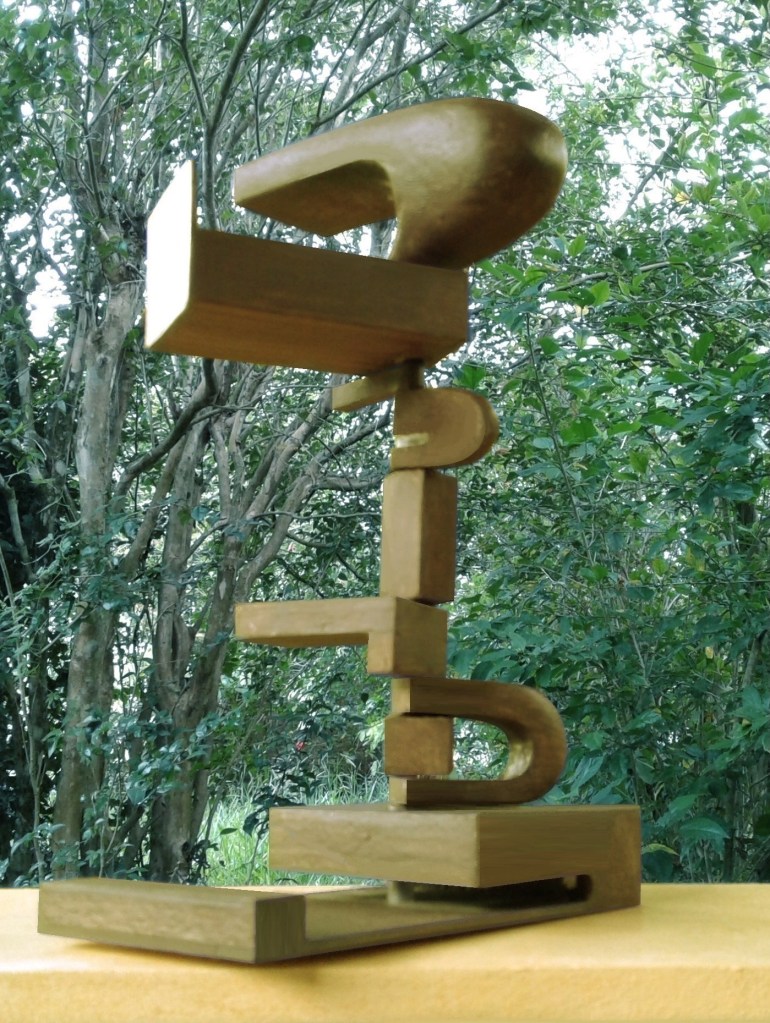

“Open Mindedness” presents Urucum
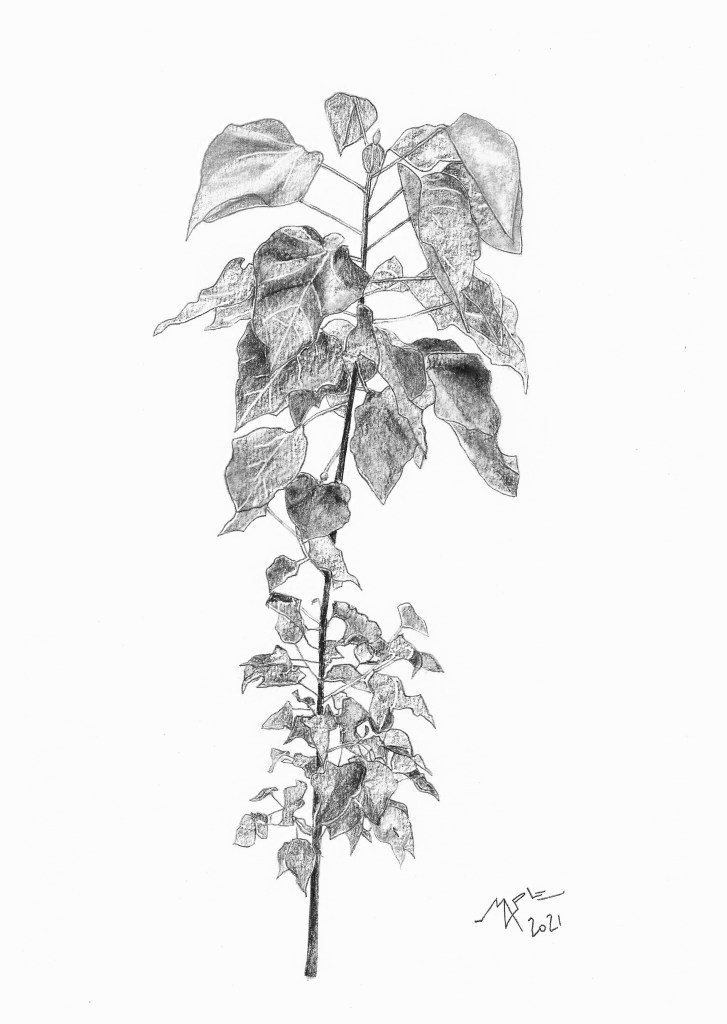
Urucueiro or Urucuzeiro, is the proposed tree for the seventh station of the park. In Brazil, sometimes the word Urucum is used to refer to the tree, when it is actually the fruit’s name. Its scientific name is Bixa orellana and it belongs to the Bixaceae family.
Urucum or urucu comes from the tupi word uru’ku, which means red (the color of its seeds and fruits). In other languages it is called:
Orleansstrauch (german)
Achiote, onoto or bijol (spanish)
Rocou (french)
Achiote or annatto (english)
The Urucum branches expand in all directions. They resemble arrows, as a testimony of the outstanding tree’s attributes. Let us start with an analogy, to understand what this means.
For centuries, humanity benefited from this animal: the ox. While serving humans, it is perhaps a title-holder. When alive, an ox can be used to carry loads (bullock cart) or to produce the so precious milk (yes, the cow milk and the dairy products). A slaughtered ox, provides us food, like barbecue, leather for clothes and shoes, and even buttons (made out of its horns).
In the vegetable kingdom, Urucum is also a champion tree. Its beautiful flowers have petals in whitish pink tones. The shape of its fruits and its surroundings holds an unique beauty. Its leaves and seeds are used as an expectorant. The oil it produces has high antioxidant activity, ideal for nutritional supplements. Also in cooking, it is used to give red color to foods. As a cosmetic, its oil is used as an insect repellant and as a sun protector. On the skin it acts also like a dye, giving it a redish tone when used continuously.

 Natura Futura