
Why trees don’t walk

The thirtieth:
Time to remember

Let us remember why trees don’t walk !
Article published in September 2013:
OLYMPUS DIGITAL CAMERA

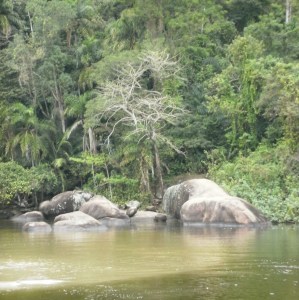
Trees produce oxygen and need lots of water to accomplish this task. They act as a lab, that processes a chemical reaction (photosynthesis), where the input substances are carbon dioxide and water and the output substances are carbohydrate and oxygen.

In order to have plenty of water, their roots are below the earth, where they get the necessary amount of water. This make them different from animals (and from us, humans), those who do not produce oxygen. Since we need less water than trees, we don’t need to be always attached to the earth. We are portable, we take in our body the water we need.

Trees do also breath like we do (they take oxygen from the air and give back carbon dioxide), but in parallel they produce oxygen in the presence of sunlight. When you water your tree, always remember that it will give us back its best: oxygen for us to breath.
Tree did interfere with electric wiring


09_September (7)


The use of electricity by human beings is a recent phenomenon. In the year 1801, Alessandro Volta presented to Napoleon Bonaparte his invention, a rudimentary electric battery. Since then, electricity and its applications did revolutionize the way we live.

Meanwhile, cities grew and became more and more complex. And to benefit from this technological advantage, an electric current distribution network was created. This happened initially by means of wires hanging on poles and later by subterranean cables.

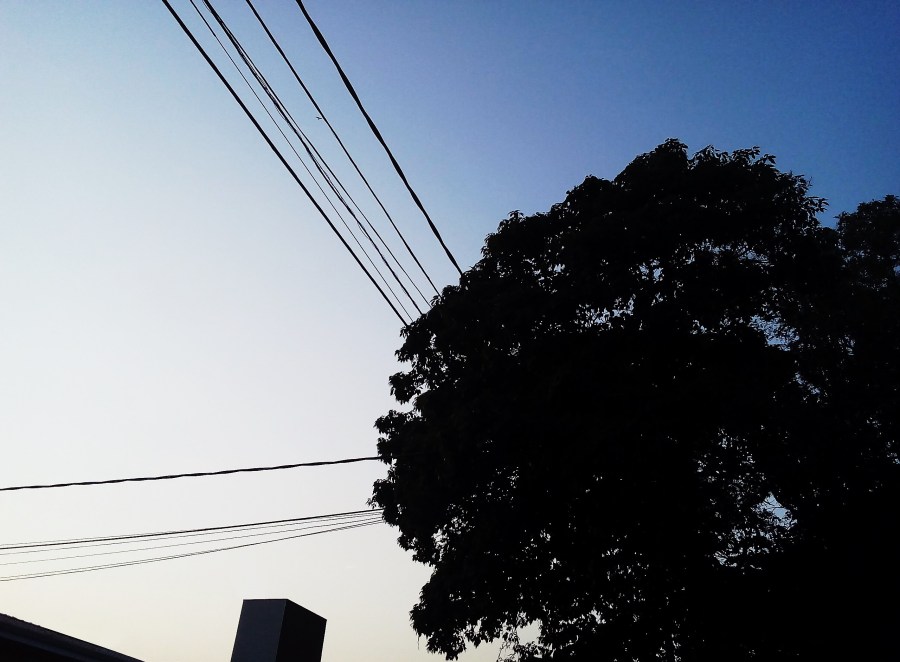
It is difficult to imagine a city without electricity, and also a city without trees. We need both for our well-being. The systematic pruning of large size trees in urban areas may be a solution when electric cables interfere with tree branches.

Planned planting, by choosing a proper place and species, so trees do not interfere with the wiring, is also a feasible and positive attitude. Another possibility is the creation of exclusive spaces for trees (urban fields) and another space for wirings (subterranean cables or planned poles, which do not interact with branches).

Put these ideas to practice ? To do this, a major awareness effort must take place, towards municipal authorities and common citizens. Pruning trees means work, and dedicating urban grounds to trees or changing to subterranean cables involve high costs. Nevertheless, the results would bring an incomparable lift in the quality of life of a city.